
Government staff in Pakistan’s turbulent Balochistan province are ramping up demonstrations, centered on the elusive Disparity Reduction Allowance (DRA). The Balochistan Employees Grand Alliance (BEGA) orchestrated high-energy rallies in Quetta and Khuzdar, marking a critical juncture in labor negotiations.
Quetta witnessed a charged march from Bacha Khan Chowk to the City Police Station. There, a prolonged sit-in ensued, punctuated by anti-government slogans. Frustration boiled over without concessions, prompting 11 workers to invite arrest voluntarily – a stark protest tactic.
Khuzdar mirrored the intensity, with district head Aslam Notani and allies like Manzoor Naushad steering a massive employee convergence. Slogans rent the air as participants from diverse departments expressed alarm at lingering delays, threatening operational breakdowns.
Context builds from January 22, when the Unemployed Pharmacists Action Committee (UPAC) trashed a paltry job offer for 2,000+ pharmacists, branding it insultingly minimal. In a fiery Quetta Press Club address, Secretary Qasim Aziz Mengal called for scaled-up positions, rigorous merit checks, and hiring integrity.
He exposed favoritism in BPS-17 walk-ins, health department opacity, and the void of pharmacy services in private hospitals. Recent contract job notices for medical staff drew his sharpest ire, exposing systemic flaws.
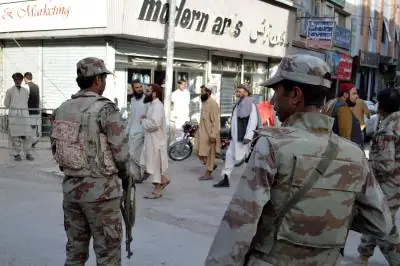
Rewind to January 20’s Red Zone fiasco in Quetta: DRA seekers were met with police barriers, arrests, and mobile service shutdowns. Containers choked entry points, yet crowds amassed at the Press Club, enduring dispersals and detentions that idled provincial bureaucracy.
This wave of agitation underscores Balochistan’s public workers’ plight amid economic disparity. As alliances solidify and actions proliferate, provincial leaders must prioritize dialogue to avert a full-scale crisis, ensuring stability in this volatile frontier.