
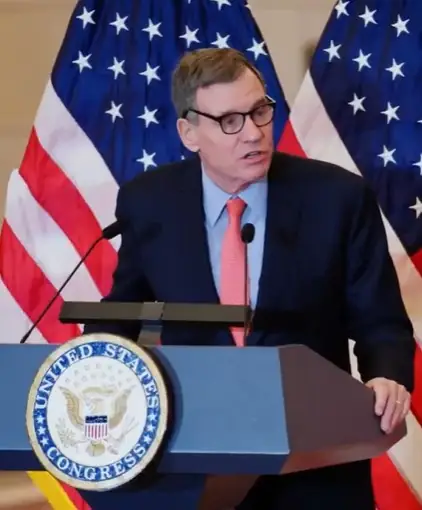
US Senate Intelligence Committee Chairman Mark Warner delivered a sobering take on Bangladesh’s electoral horizon, blaming America’s retreat for injecting profound doubt into the February 12 polls. In an in-depth interview, he detailed how curtailed involvement is diluting pro-democracy momentum, fostering instability with knock-on effects for neighboring India’s defenses.
Uncertain if the vote will proceed justly, Warner painted a picture of diminished American footprint. He critiqued Trump-era policies that axed aid streams to poorer nations, stripping away the soft power diplomacy that built lasting alliances through development aid.
The brief promise of Muhammad Yunus as caretaker government head ignited hopes for renewal, especially among the young. Those expectations have evaporated, complicating leadership in a youth-heavy populace. Tensions simmer over the ousted leader’s Indian exile, straining regional harmony despite Warner’s lingering faith in electoral integrity.
Bangladesh faces multifaceted crises: deepening poverty, economic woes, and ecological perils. Warner tempered extremism worries, noting limited penetration of hardline Islam and advising against letting outliers steer perceptions.
‘India dwells in a high-risk zone,’ he said, citing Bangladesh, Myanmar, and Pakistan as persistent threats to tranquility. America’s prowess, Warner reflected, owes much to persistent soft power in promoting prosperity and governance, beyond its military-economic clout.
Programmatic reductions have ceded ground in places like Bangladesh during critical junctures. He advocated relentless international commitment to fortify democratic frameworks over time. Bangladesh’s shifts resonate in South Asia’s geopolitical chessboard, under the microscope of proximate states and allies.
India stands to gain or lose most, bound by a vast frontier, economic interdependence, demographic movements eastward, and shared threat landscapes. With polls imminent, resolving this uncertainty is crucial for enduring regional security.