
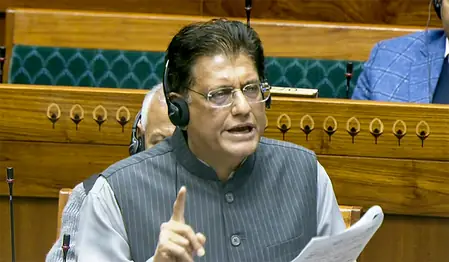
In a strategic masterstroke, India has fortified its dairy sector against US imports in the nascent India-US trade framework, as revealed by Minister Piyush Goyal. Speaking to the press in New Delhi, the commerce czar detailed how the government has ring-fenced key agricultural areas to shield domestic producers.
Goyal was unequivocal: the pact grants no leniency on dairy, meat, poultry, soybeans, corn, rice, wheat, grains, sugar, millets, an array of fruits like bananas, strawberries, cherries, and citrus, plus green peas, mung, chickpeas, oilseeds, animal feed, and tobacco. This blanket protection stems from a deep understanding of India’s agrarian backbone.
Turning to apples—a major import at 600,000 tons annually—Goyal broke down the economics. Present terms: 50-rupee base price, 50% tariff yielding 75 rupees in stores. New terms: 80-rupee base, 25% tariff to 100 rupees, with quotas ensuring controlled entry. Cotton imports, limited to niche varieties, pose no risk to local farmers.
Government policy remains farmer-first, Goyal stressed. Counterbalancing protections, zero-duty access awaits Indian spices, tea, coffee derivatives, coconut and oil, cashews, alongside gems, jewelry, pharmaceuticals, and smartphones headed to America.
Aiming for $500 billion in two-way trade, this accord unlocks pathways in the global $30 trillion economy race, propelling India towards its 2047 developed status. It’s a blueprint for equitable trade: defend the vulnerable, empower the competitive.