
Escalating violence in the Middle East is poised to unleash energy market mayhem, according to Qatar’s Energy Minister Saad al-Kaabi. In a Financial Times exclusive, he warned that sustained fighting could compel all Gulf exporters to invoke force majeure within days, slashing oil supplies and driving prices to $150 per barrel in two to three weeks. LNG prices might quadruple to $40/MMBtu.
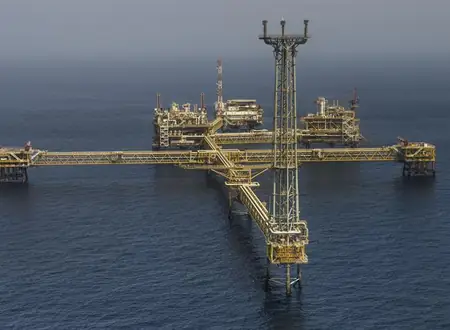
‘Expect declarations soon from those who haven’t yet,’ al-Kaabi urged, noting legal imperatives for non-compliant firms. The trigger: blocked tanker routes through the Strait of Hormuz. Qatar leads the charge, having declared force majeure after Iranian drones struck its vital Ras Laffan LNG complex—the country’s export powerhouse.
Damage evaluations continue, but al-Kaabi revealed dire logistics: just 6-7 of 128 LNG vessels are operational for loading. Normalization, even sans attacks, spans ‘weeks to months.’ Shipowners are retreating, spooked by assaults on at least 10 ships and surging premiums from insurers.
Futures reflect the panic: Brent up 20% weekly to over $89/barrel (3% Friday pop), WTI soaring 25% to $86—tops since April 2024. Iran’s missile volleys and refinery hits in Bahrain amplify the surge. For energy-hungry nations from Europe to Asia, this heralds steeper bills, supply squeezes, and potential recessions. The world watches as diplomacy lags behind the drums of war.