
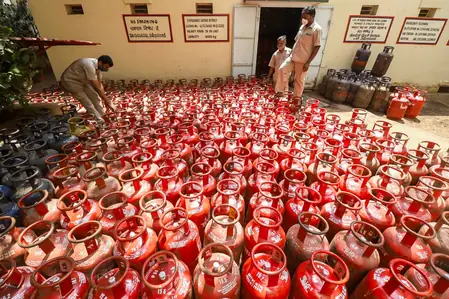
In a move that will sting household wallets and business ledgers alike, LPG prices have been hiked significantly across India. Saturday’s announcement pegs the 14.2 kg domestic non-subsidy cylinder at Rs 913 in Delhi, up Rs 60 from Rs 853, as per Indian Oil data. Commercial variants jumped Rs 114.5 per unit, amplifying costs for hotels, dhabas, and industries.
This rapid-fire second hike in under a year arrives against a backdrop of global energy turmoil. Surging crude prices, triggered by intensified Middle East hostilities, have cascaded into higher LPG procurement expenses for Indian refiners. Supply route vulnerabilities and market jitters have compounded the issue, leaving little room for price stability.
The broader energy market’s fragility was evident as rumors of petrol and diesel deficits briefly surfaced online. Public sector undertakings BPCL and IOC wasted no time in debunking these, with BPCL declaring on X: ‘India’s energy infrastructure is rock-solid, backed by ample reserves.’ They stressed no basis for shortage fears and reaffirmed supply commitments.
IOC’s parallel update dismissed social media hype, confirming ‘plentiful fuel stocks and smooth operations.’ Urging calm, the company warned against station rushes and promoted official channels for updates. These timely interventions prevented widespread anxiety and ensured steady fuel availability.
Economically, the LPG uptick poses challenges for low-income families dependent on cylinders for daily cooking. Businesses face margin squeezes, potentially leading to higher service charges. With geopolitical flashpoints unresolved, experts foresee sustained pressure on energy tariffs, prompting debates on subsidy tweaks and alternative fuels.
As consumers digest the news, the episode highlights India’s exposure to global energy swings. Strengthening domestic production and strategic stockpiles emerge as critical priorities to mitigate future shocks and foster resilience in the face of unpredictable international dynamics.