
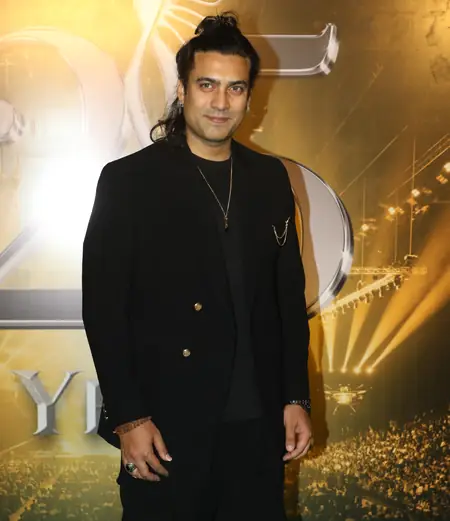
Delhi High Court has swung into action with a sweeping interim order on February 24, safeguarding Jubin Nautiyal’s personality rights from the clutches of rogue AI applications. Presided over by Justice Tusshar Rao Gedela, the ruling prohibits unauthorized replication of the singer’s voice, image, and persona across digital ecosystems.
The petition painted a disturbing picture: AI-driven platforms churning out fake audios, videos, and merchandise using Nautiyal’s distinctive timbre, gestures, and photographs without consent. Generative models so advanced that they deceive even discerning audiences, attributing fictional content to the real artist and tarnishing his brand.
‘Jubin Nautiyal’s case stands strong at first blush; unchecked misuse inflicts irreparable injury,’ the court asserted. From synthetic voices in ads to deepfake concerts in the metaverse, no corner of the online world escapes this injunction.
Intermediaries, including social platforms and online stores, are mandated to delete infringing materials forthwith and reveal identities of culprits. MeitY and telecom authorities join the fray to monitor adherence.
Defendants have 30 days to respond, with procedural steps on April 28 and substantive hearing on August 25. This isn’t just a win for Nautiyal—it’s a blueprint for protecting celebrities from AI’s shadowy underbelly.
As AI blurs lines between real and fabricated, courts are fortifying defenses. The entertainment sector watches closely, anticipating ripple effects that could redefine consent in content creation.