
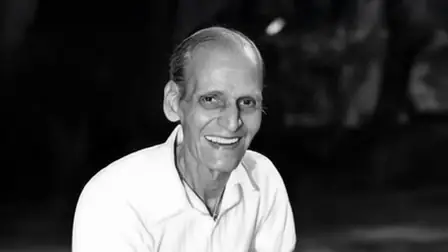
Imagine a stadium of 50,000 falling pin-drop silent, tears streaming down a Prime Minister’s face—that was the power of Kavi Pradeep’s ‘Ae Mere Watan Ke Logon.’ This unassuming poet from Madhya Pradesh didn’t just write songs; he ignited national pride, challenging empires and immortalizing sacrifices.
February 6 marks the birth anniversary of Ramchandra Dwivedi, better known as Kavi Pradeep (1915-1998). Educated in Lucknow, he stormed Mumbai’s film scene in 1939 via a poetry event that won him a Bombay Talkies contract. Over decades, his quill produced 1,700 songs for 71 movies, blending melody with messages of freedom.
Colonial Britain feared his fire. The rousing ‘Chal Chal Re Naujawan’ earned a ban, while ‘Kismet’s tracks sent him underground in 1943. Post-independence, his tribute to 1962 war martyrs became legendary.
Lata Mangeshkar’s emotional reaction to hearing the lyrics—tears and an immediate yes—set the stage. She envisioned a duet with sister Asha, but sang alone at the 1963 Republic Day event. Nehru, visibly moved, praised it as the litmus test of Indian identity.
From accolades like the Dadasaheb Phalke Award to personal lows—losing his wife, battling paralysis, forsaken by family—Pradeep’s resilience shone. A benefactor in Kolkata provided refuge until his end. Posthumously honored with a stamp and award in his name, his songs continue to rally hearts.