
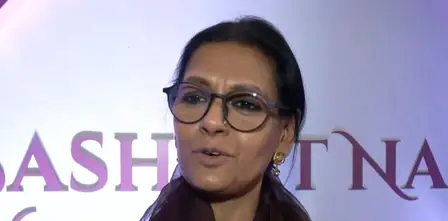
Delhi’s Chintan Research Foundation spotlighted actress-director Nandita Das in its ‘Empowered Women, Developed India’ initiative, where she articulated a vision for impactful storytelling. In a revealing IANS interview, Das confronted key issues: cinema that discomforts, censorship’s chokehold, political vilification, and women’s rights amid global turmoil.
‘What draws me to unease in creative spaces?’ Das pondered the query. ‘Cinema isn’t just escapism—it’s a mirror to unsettle biases, provoke thought, and nurture sensitivity. I seek and produce films that demand audiences confront themselves, fueling my passion.’
On navigating ‘political’ labels and ensuing criticism, her response was empowering. ‘Dissenting artists court division by design,’ she observed. ‘Endorsement and enmity follow. External judgments can frail the spirit if unchecked. Society favors tags over depth, yet profound convictions armor you against opposition, sustaining your path.’
The ‘Kerala Story 2’ censorship saga prompted a strong rebuke. ‘Art flourishes unbound,’ Das insisted. ‘Liberty births masterpieces and missteps alike, educating society organically. Self-discernment trumps imposed filters. I oppose censorship unequivocally.’
Addressing Taliban policies normalizing spousal abuse, Das rallied against systemic oppression. ‘Suppressing women under any banner—religious or political—is indefensible,’ she proclaimed. ‘Societal advancement hinges on shared responsibility. Via cinema, discourse, or deed, I’ll amplify resistance. A compassionate world necessitates unyielding opposition to inequity.’
Through her insights, Das positions provocative cinema as a catalyst for empathy and reform, inspiring broader cultural reckoning.