
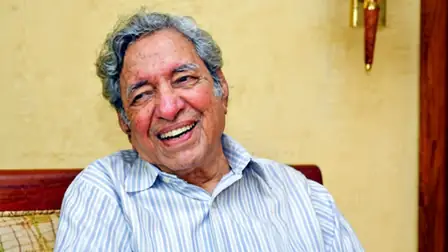
In the annals of Indian cinema, few tales rival Ravi’s odyssey from obscurity to acclaim. Ravi Shankar Sharma, the Delhi-born virtuoso (1926-2012), forsook formal tutelage for innate rhythm, becoming ‘Ravi’ of the silver screen.
Bhajans from his father ignited passion. Harmonium mastery led to instrumental prowess. Yet, penury demanded he wire homes in Delhi as an electrician, dreams simmering beneath.
1950: Mumbai beckoned. Days blurred in assistant roles, nights in station squalor. Persistence paid—Hemant Kumar’s nod for ‘Anand Math’ chorus opened doors. ‘Albelu’ (1955) was his conductor’s baton.
A golden era dawned. ‘Nai Rahein,’ ‘Pehli Raat,’ ‘Chaudhvin Ka Chand’ showcased his lyric-first alchemy. Awards honored ‘Gharana,’ ‘Khandan’; nominations for the moonlit classic.
Fifty-plus soundtracks defined eras: ‘Gumrah,’ ‘Kaajal,’ ‘Neel Kamal,’ ‘Nikaah.’ Mahendra Kapoor’s triumphs were Ravi’s gifts. A sabbatical yielded to Malayalam triumphs as ‘Bombay Ravi.’
Ravi’s death marked an end, but his evergreen compositions play on, a blueprint for triumph over adversity.