
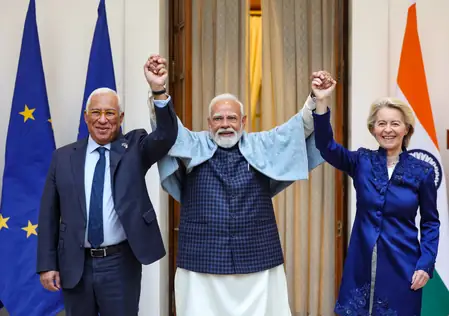
India’s Free Trade Agreement with the European Union marks a transformative era for its industries, especially textiles, apparel, footwear, and leather. Industry leaders are ecstatic, forecasting doubled exports, massive job creation, and influxes of foreign investment that align perfectly with national manufacturing goals.
Joint Secretary Kumar Duraaiswamy of Tirupur Exporters calls the 20-year EU deal a monumental ‘mother of all deals.’ It could propel textile exports from $13 billion to $40 billion by 2030. Tirupur leads with 68% of knitwear exports (45,700 crore rupees), Europe taking 25,000 crore—poised for 50,000 crore growth.
Post-U.S. tariff setbacks, this pact restores momentum. Big EU retailers plan Indian expansions, bolstered by Tamil Nadu’s global textile events positioning the state as a leader.
Kothari’s Rafiq Ahmed dubs it a ‘dream realized’ for the EU’s GDP heft. Footwear and leather thrive on high job-per-investment ratios: 25,000 jobs from 1,500 crore rupees, focusing on women. Special packages could supercharge this.
Former council head Dr. Sanjeev Saran hails it as ‘fantastic,’ mending trade wounds from tariff wars. Expect joint ventures, quality enhancements, and labor-intensive booms in textiles, leather, gems—though EU compliance is key.
India shines as a stable haven amid global unrest, per experts. CEPC Chairman Mukesh Gomber sees it as a U.S. tariff antidote, unlocking tech upgrades and carpet export markets.
This give-and-take deal strategically favors India’s labor sectors, paving ways for export dominance, employment waves, and supply chain supremacy.