
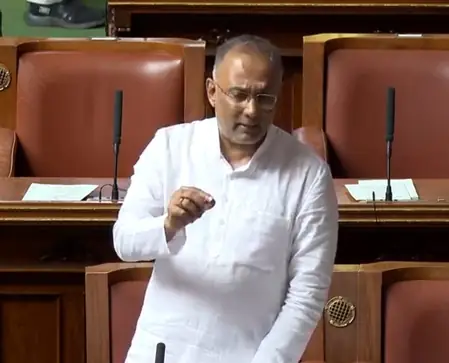
The Karnataka assembly witnessed a promising development on Thursday as Health Minister Dinesh Gundu Rao pledged to install District Early Intervention Centers (DEICs) in all 31 districts by next year. This move, part of the RBSK initiative, responds to urgent calls for better support for children with disabilities and developmental issues.
Rao detailed the centers’ role in early screening and intervention, staffed by pediatricians, nurses, cardiologists, eye doctors, and psychologists. With 17 centers running and one more for Koppal imminent, the full expansion will ensure no child is left behind.
Triggering the discussion, MLA Prakash Kolivad exposed critical shortcomings. In Ranebennur, official records list only 137 disabled children, far below the projected 18,000 based on 6.3% prevalence statewide. Haveri has zero facilities, a proposal pending, leaving poor families in distress—some kids even resorting to street life without care.
Kolivad’s advocacy stems from firsthand knowledge; his daughter is disabled. He pushed for Haveri’s prompt inclusion, tele-therapy rollout at taluk levels, and digital systems for tracking cases. RBSK has flagged thousands needing treatment, but they face hurdles traveling to far-off hubs like Shivamogga or Mangaluru.
The minister’s assurance signals a sea change in child health strategy. By decentralizing expertise, Karnataka aims to catch issues early, offer immediate remedies, and build resilient communities. This could significantly narrow the disability care divide, empowering families and securing optimal development for every child.