
The specter of Nipah virus returned with force in Bangladesh, where WHO verified a woman’s death from the pathogen. Between 40 and 50 years old, she fell ill on January 21 amid Bangladesh’s winter outbreak season, battling initial fever and head pain that progressed to alarming neurological distress—excess saliva, mental fog, and fits. She succumbed within a week; confirmation arrived postmortem.
Local probes found no travel links but flagged raw palm sap as the culprit, a delicacy often harboring bat viruses. All 35 traced contacts are symptom-free and test-negative, offering cautious relief.
This hits close to home for India, where two medics from 24 Parganas, West Bengal, were diagnosed with Nipah merely 14 days earlier. The ripple effect triggered enhanced passenger checks at key Asian hubs like those in Malaysia and Thailand.
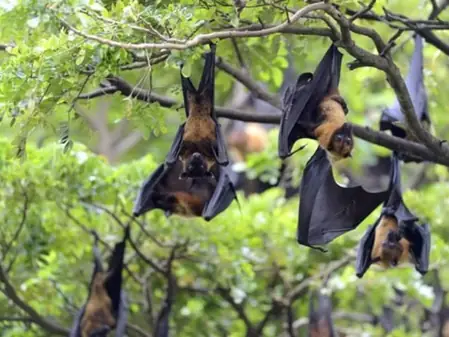
Boasting a grim 75% mortality, Nipah thrives in fruit bat ecosystems but rarely transmits person-to-person. Global risk remains minimal per WHO, with no calls for travel curbs.
Four lethal confirmations mark Bangladesh’s 2025 Nipah record. Without antivirals or vaccines, safeguards are straightforward yet vital: rigorous hand hygiene, avoidance of bat-infested areas, and rejecting bat-tainted fruits or pork from sick animals.
As the region braces, sustained monitoring and awareness campaigns stand as the bulwark against this unpredictable killer.