
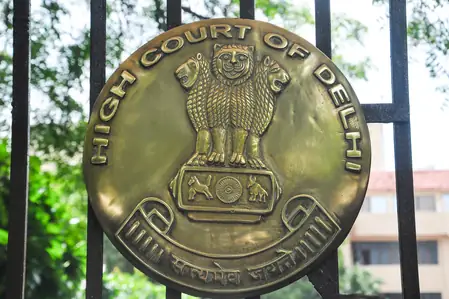
The Delhi High Court stepped into the contentious Chinese visa scandal on Wednesday, issuing notices to the CBI on Congress MP Karti Chidambaram’s petition against charge-framing. The 2011 case revolves around alleged irregularities in visa extensions for Chinese nationals working on a major Punjab infrastructure project.
Justice Manoj Jain’s bench addressed both the criminal revision and a stay application on trial proceedings, marking a fresh chapter in this protracted litigation. Chidambaram seeks to quash charges under corruption laws and IPC provisions.
Senior counsel Siddharth Luthra mounted a robust defense, asserting no public servant’s role vitiates Prevention of Corruption Act applicability under Sections 8 and 9. He decried the trial court’s ‘unsupported’ IPC Section 204 framing as a miscarriage of justice.
Responding to stay pleas, the court indicated it would weigh interim relief after CBI inputs, fixing February 12 for further arguments. The agency was granted time to file replies and reports.
Previously marred by recusals from Justices Swarna Kanta Sharma, Anup Jairam Bambhani, and Girish Kathpalia, the plea now rests with Justice Jain. It challenges a special CBI court’s order framing conspiracy and bribery charges against Chidambaram and others, while discharging Chetan Srivastava.
CBI probes claim Talwandi Sabo Power Limited, a Vedanta entity, orchestrated visa renewals beyond limits for 250 Chinese workers at its Mansa power plant, breaching Home Ministry guidelines.
This episode highlights tensions between developmental projects and regulatory oversight, with Chidambaram’s high-stakes appeal potentially stalling a trial years in the making. Stakeholders watch closely as the court balances due process against investigative imperatives, promising deeper revelations ahead.