
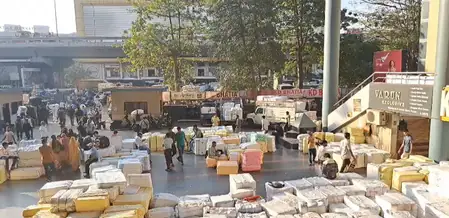
International tensions are reshaping South Asia’s textile landscape, with Surat emerging as the big winner from Bangladesh’s self-inflicted wounds. The BTMA’s strike threat from February 1 highlights the devastating impact of India’s affordable, high-grade duty-free yarn flooding their market, forcing mills into closure and debt spirals.
Producing 65% of India’s polyester cloth, Surat’s traders are buzzing with opportunity. Association leader Kailash Hakim told reporters this chaos validates Indian yarn superiority and accelerates India’s garmenting rise. ‘Political uncertainty in Bangladesh amplifies our advantages,’ he noted, pointing to their dependence on Indian inputs for ready-mades.
Government-led initiatives like skill enhancement, park developments, and clusters are propelling India forward. In Surat, emphasis on premium parts and export blueprints promises explosive growth. Hakim advocated an R&D center to cement Surat’s lead.
Prominent dealer Akshay Rathod celebrated the ‘happy wave’ sweeping the city, which anchors 65% of national textile commerce. He critiqued Dhaka’s flawed policies while lauding local training fervor. Enhanced R&D support could vault Surat to global preeminence in textiles and apparel.
The strike signals a power shift: India’s structured approach outpaces Bangladesh’s labor reliance. Surat’s poised to not just fill the void but redefine the industry on its terms.