
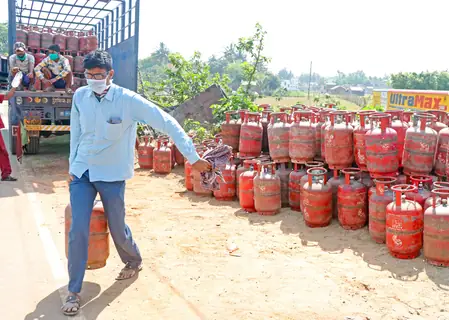
Parliament heard from Petroleum and Natural Gas Minister Hardeep Singh Puri on Thursday that decisive refinery mandates have driven a 28 percent surge in LPG output within five days. Active extra purchases bolster stocks amid heightened scrutiny.
Serving over 330 million households, with emphasis on vulnerable groups, uninterrupted domestic gas tops national priorities. Household supplies are ironclad, delivery timelines fixed at 2.5 days mirroring earlier norms.
Critical sectors like healthcare and education get seamless priority gas. The minister highlighted distributor hoarding and fear-induced over-bookings as perception-driven, not supply-driven issues.
Countering irregularities, DAC rollout accelerates to 90 percent from 50 percent, mandating OTP confirmation for deliveries to block tampering. Structured booking windows—25 days urban, 45 days rural/remote—stabilize consumption patterns.
Field surveillance by oil marketers and anti-adulteration squads is intensive. State administrations are looped in through Union Home Secretary’s engagements with chief secretaries.
Commercial LPG curbs focus on black market prevention for market-priced, non-subsidized sales to businesses sans registration. Open sales risk funneling cylinders to illicit channels, disadvantaging legitimate buyers. Thus, clear prioritization and transparency rule.
Formed March 9, a trio of executive directors from leading oil majors is evaluating sector-wise needs via meetings with supply departments and restaurant bodies. Today marks the start of 20 percent monthly average allocation for commercial use, nipping hoarding in the bud.
Promoting fuel alternatives eases LPG load. Non-subsidized cylinders stand at Rs 913 after Rs 60 tweak, versus Rs 987 international parity. Absorbing Rs 74 of a Rs 134 required rise shields consumers, with Ujjwala extras below 80 paise per day.
Regional comparison favors India: Pakistan’s Rs 1,046, Sri Lanka’s Rs 1,242, Nepal’s Rs 1,208. Government nods Rs 30,000 crore compensation for oil firms’ Rs 40,000 crore 2024-25 losses, fortifying the ecosystem against global headwinds.