
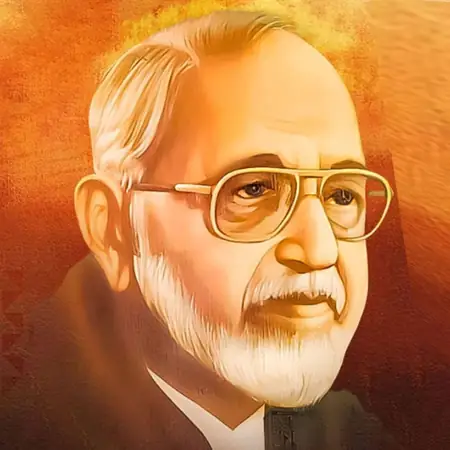
Few Hindi writers match the multifaceted brilliance of Agyeya, born Sachchidananda Hirananda Vatsyayan on March 7, 1911, in Kushinagar. A pioneer of experimental poetry, he excelled in novels, essays, and journalism, dragging Hindi literature into modern realms.
Agyeya shattered the destitute writer stereotype. His introspective poetry confronted truth head-on: eyes witnessing life’s darkest truths amid human frailties. He valued individual liberty, dismissing socialism’s cookie-cutter humans, as Kedarnath Singh observed.
At 18, Agyeya plunged into revolution, aligning with Azad’s Lahore cell. His high-stakes assignment: drive a truck for Bhagat Singh’s jailbreak. Mastering driving in three intense days, he exemplified zeal—though treachery derailed the effort.
Relocated to Delhi, Agyeya orchestrated a bomb factory in 1930 opposite a police outpost, earning the ‘Scientist’ tag from his scientific background. Flight to Amritsar ended in disguise and capture. Inmate Vimal Jain shared how the judge’s poignant sentencing words immortalized Agyeya’s trial.
Behind bars, creativity flourished; stories poured out. The pseudonym ‘Agyeya’ emerged when Premchand printed Jainendra-forwarded anonymous works, dubbing the faceless author ‘unknown.’
Agyeya’s bibliography sparkles with ‘Shikhar Ek Jeevani’ and poignant collections evoking dusk’s sorrow yielding to morning’s vibrant hues. A bilingual editor, he wove Hindi and English seamlessly.
Agyeya’s narrative—from covert ops to cultural vanguard—illustrates a patriot-poet whose experiments not only tested literary bounds but also national ones, leaving an indelible mark on India’s intellectual landscape.