
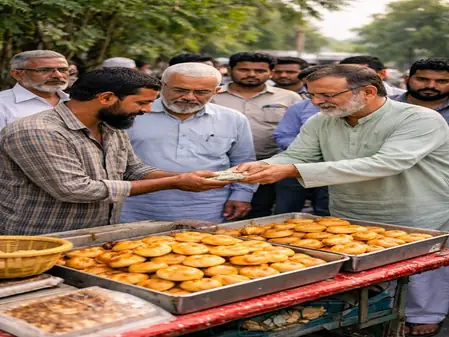
From the bustling stalls of Medaram Jatra, a tale of resilience emerges. Sheikh Vali, an Andhra Pradesh Muslim vendor specializing in ‘Kova Ban,’ endured public humiliation when YouTubers allegedly made him consume his product to counter ‘food jihad’ allegations. Now, support from every corner is transforming his plight into a symbol of communal strength.
The Kurnool resident’s ordeal at Telangana’s Mulugu fair drew immediate backlash. Social media erupted, prompting swift action. The Minority Rights Protection Committee led with a Rs 50,000 aid package, followed by endorsements from major players.
Telugu Desam Party’s Nara Lokesh, holding key ministerial portfolios, articulated the collective sentiment: ‘Telugu people embody unity and respect historically. Such polarizing acts are alien to us.’ His words resonated widely, amplifying the call for justice.
Farooq Shubli, dual-hatted as Urdu Academy Chairman and committee president, visited Vali, extending Rs 50,000 while praising the groundswell of backing. ‘No space for religious animosity in our states. The post-incident unity across faiths is truly inspiring,’ he noted, while appealing for state aid to revive the traditional sweet-making trade.
This influx of resources – financial and moral – highlights Andhra’s proactive stance on minority welfare. Analysts point to it as a counter-narrative to fringe extremism, with political unity underscoring governance priorities.
Beyond immediate relief, the episode fuels demands for anti-harassment protocols at melas. Vali’s story, once a whisper of injustice, now echoes as a chorus for harmony, proving empathy’s power in polarized times.