
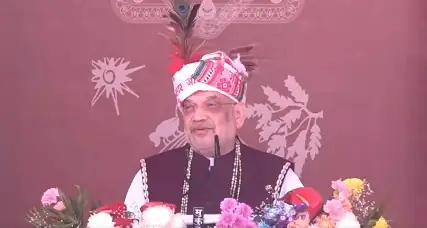
At Jagdalpur’s Bastar Pandum closing event, Home Minister Amit Shah passionately appealed to Maoists: ‘Surrender weapons, join development’s fold.’ To tribal audiences, he stressed the Naxal fight secures villages and tomorrows, beyond personal vendettas.
Reiterating rehabilitation incentives, Shah noted 2,500-plus have abandoned arms. Strict measures await perpetrators of IED blasts, village assaults, and school vandalism. Maoism’s legacy is ruin alone, he asserted, demanding resolute resistance to brutality.
Bastar exemplifies resurgence: dormant schools revived, poised to lead Chhattisgarh’s divisions in five years. Every hamlet gets electricity, cell service, clinics, colleges, post offices by late December.
Tribal farmers benefit from paddy buyback, free rice, LPG, household water connections. Naxal-free era heralds tourism goldmines—adventures, stays, skywalks, sky bridges.
Mega launches: 118-acre industry zone, Indravati irrigation-power combo (120MW), advancing Rs 3,500 crore rail corridor, river interlinks, 90,000 youth skilling programs.
From oppressive lockdowns to evenings of laughter and tribal dances, Bastar’s fabric renews. Shah lauded its tribal mosaic—Abujh Maria to Gadaba tribes—with singular dialects, Sur Kasar rhythms, Ghotul rites from antiquity.
Bastar Pandum’s national spotlight drew praise; elite teams from 12 categories head to Rashtrapati Bhavan for shows and presidential dinner. Security heroes received solemn tribute for anti-Naxal sacrifices.