
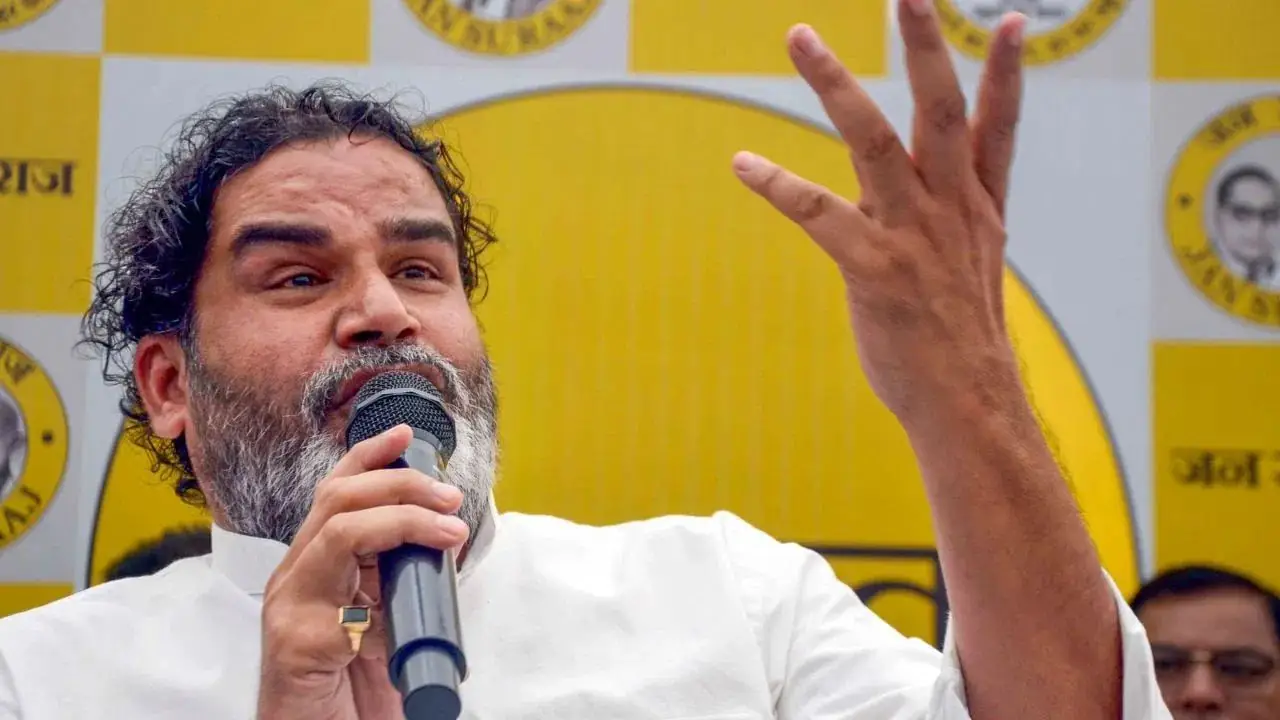
The Supreme Court of India is set to examine explosive claims against Bihar’s recent legislative assembly elections, thanks to a petition from Prashant Kishor’s Jan Suraaj Party. At the heart of the dispute is the controversial direct cash transfer of Rs 10,000 to women, purportedly timed to sway votes amid the Model Code of Conduct.
Jan Suraaj’s legal team asserts this was a calculated ploy to buy loyalty from a crucial demographic, rendering the entire electoral exercise tainted. Their demand is unequivocal: scrap the results and conduct polls anew with safeguards against such manipulations.
Chief Justice Sanjiv Khanna’s bench, alongside Justice Sanjay Kumar, will take up the writ petition on the morrow, signaling judicial readiness to probe deep into state election mechanics. This comes against a backdrop of heightened scrutiny on cash-for-votes scandals plaguing Indian democracy.
Prashant Kishor, whose strategic acumen powered past campaigns for major parties, now leads Jan Suraaj in a direct assault on Bihar’s power structure. Insiders reveal the party gathered substantial evidence of fund flows correlating suspiciously with poll dates.
Reactions are polarized: allies hail it as a democratic reset, detractors label it a desperate bid for relevance. Constitutional scholars point out that successful petitions of this nature are rare but transformative when they succeed.
As Bihar navigates this constitutional crossroads, the Supreme Court’s intervention could either validate the mandate or trigger unprecedented re-elections, forever altering the state’s political narrative.