
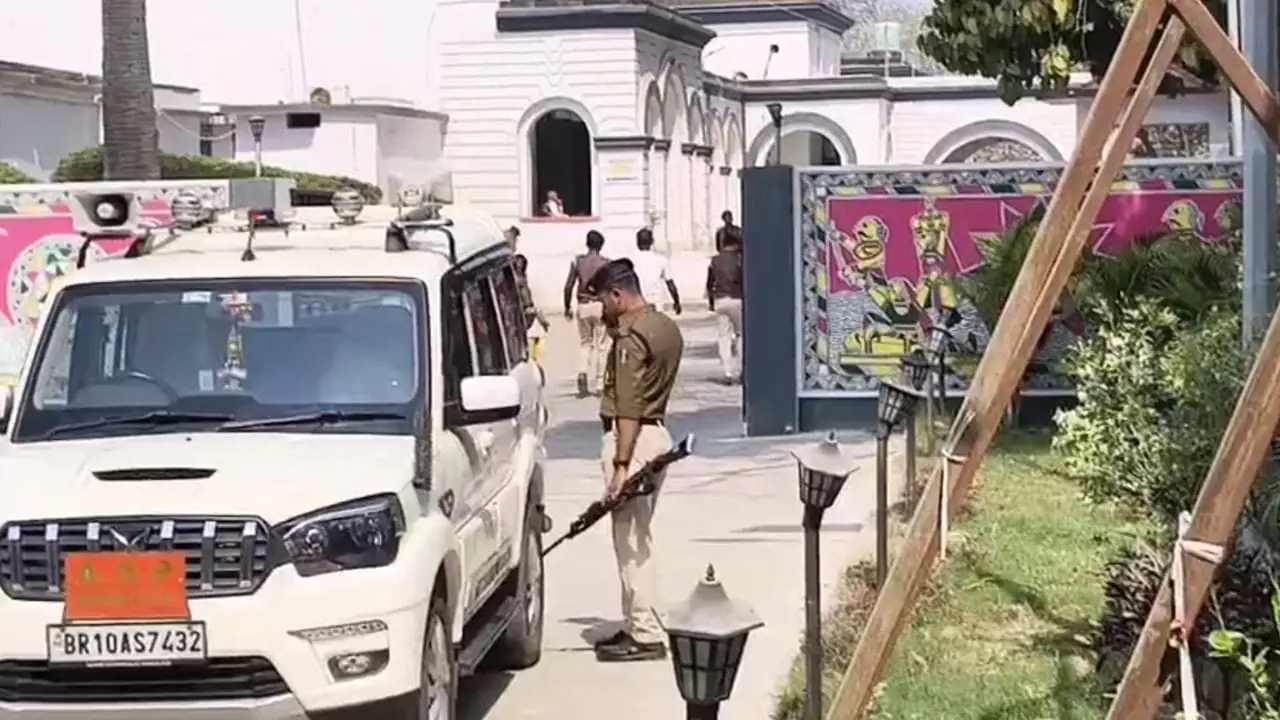
A high-stakes security scare unfolded at Bhagalpur’s Collectorate when the DM’s official email received a detailed bomb threat. The anonymous correspondent asserted that five potent RDX packets were rigged around the executive chamber, controlled remotely by on-ground agents poised for action.
Layered with international intrigue, the missive invoked the Liberation Tigers of Tamil Eelam and Pakistan’s Inter-Services Intelligence, then pivoted to contentious Tamil Nadu issues: renaming S.V. Shekhar Street to honor Periyar Ambedkar and dismantling the EWS reservation policy there.
The response was textbook: full evacuation, a tight security cordon, and prolonged inspections by bomb squads. The all-clear came without incident, but not before the day’s administrative functions were suspended, heightening unease among staff and visitors alike.
Cyber sleuths are now poring over server logs and IP traces, racing against an unseen foe. Context adds gravity—preceding threats on January 28 and February 9 eyed the civil courts, suggesting a serial campaign to destabilize judicial and executive arms.
This string of digital intimidations spotlights critical gaps in Bihar’s counter-terrorism framework, from real-time threat intelligence to fortified digital perimeters. Authorities must act decisively to restore confidence and neutralize this shadowy menace before it escalates from email to reality.