
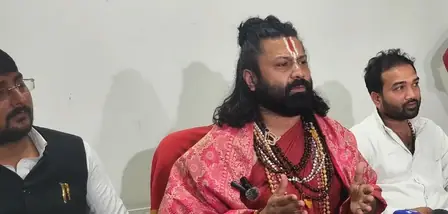
Spiritual tensions boiled over in Prayagraj when Ashutosh Brahmachari Maharaj confronted reporters with damning charges against Swami Avimukteshwaranand Saraswati. In a detailed address, he accused the sant of orchestrating abuses against vulnerable batuks in ashrams, spotlighting a systemic failure in sacred spaces.
Drawing a vivid analogy, Brahmachari stated, ‘One who deems Ganga polluted forfeits the right to her embrace.’ He described how youths from disaster-struck flood zones were lured to ashrams, only to endure horrors, with medical evidence from court-ordered checks on two victims indicating assault.
The list of implicated figures was stark: Swami Avimukteshwaranand, disciple Mukundanand Brahmachari, Arvind (a guru-brother’s pupil), and Prakash Upadhyay. Brahmachari stressed a Supreme Court ban on the ‘Shankaracharya’ title for the swami, punishable by contempt.
Contextually, this follows a special POCSO court’s recent order for FIRs against the swami et al. for child sexual abuse, prompted by Brahmachari’s complaint—mandating police action.
He teased more revelations, pointing to ashram insiders and politicians from Samajwadi Party and Congress as potential culprits in child offenses, though evidence was absent. On January 18, batuks reportedly escaped and informed him. Brahmachari also indicted the swami for Sangam access blocks via public barricades, flouting Supreme Court road-jam prohibitions.
‘I expose these deeds without partaking in them,’ Brahmachari declared, holding back some names pending inquiry.
As this guru showdown unfolds, it prompts soul-searching in religious circles about protecting the young. Legal scrutiny will test these bold claims, potentially leading to profound repercussions for all involved.