
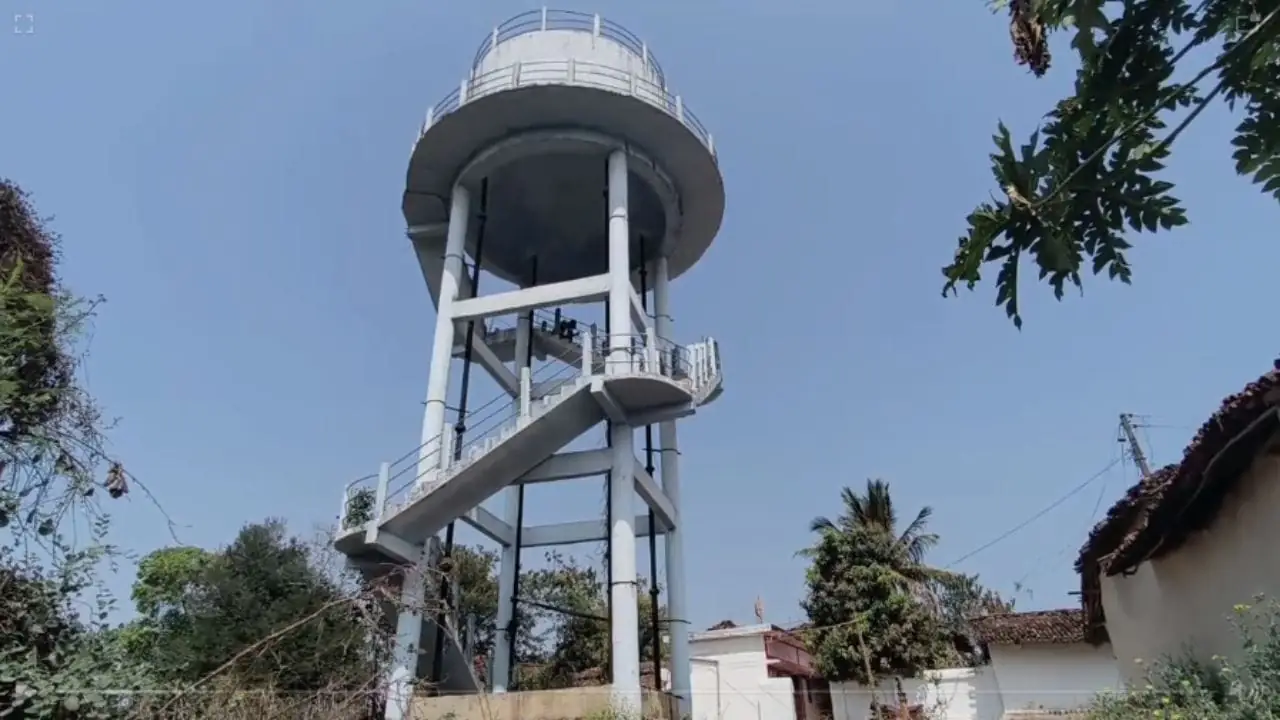
Picture this: a village primed for hydration, with water infrastructure fully installed, yet gripped by drought. Kamkapar in Balod, Chhattisgarh, embodies this irony under the Jal Jeevan Mission banner. Since completion two years back, the 3,000-plus population awaits the inaugural flow.
Spanning Kamkapar gram panchayat and its outlying Tekapar and Kurubhat, the area relies precariously on one solar pump. Failures mean two-day water blackouts, with dried-up borewells offering no succor. Women haul pots from distant sources, a grueling routine unbroken by the shiny new tank nearby.
Local voices rise in protest. Manju Vishwakarma highlights the absurdity: tank full-ready, pipes in place, home taps fitted – activation zero. Mahar Singh Deshmukh notes zero trials from PHE. The scheme shines in records, fizzles on ground.
Spotlight fell during District Collector Divya Umesh Mishra’s grievance camp. Moved by pleas, she mandated PHE to test and supply pronto. Directives issued, but timelines blur.
This isn’t isolated; it’s a wake-up for rural water programs. Kamkapar’s parched reality demands not just builds, but functionality. Until pipes hum with water, the mission remains mission incomplete.