
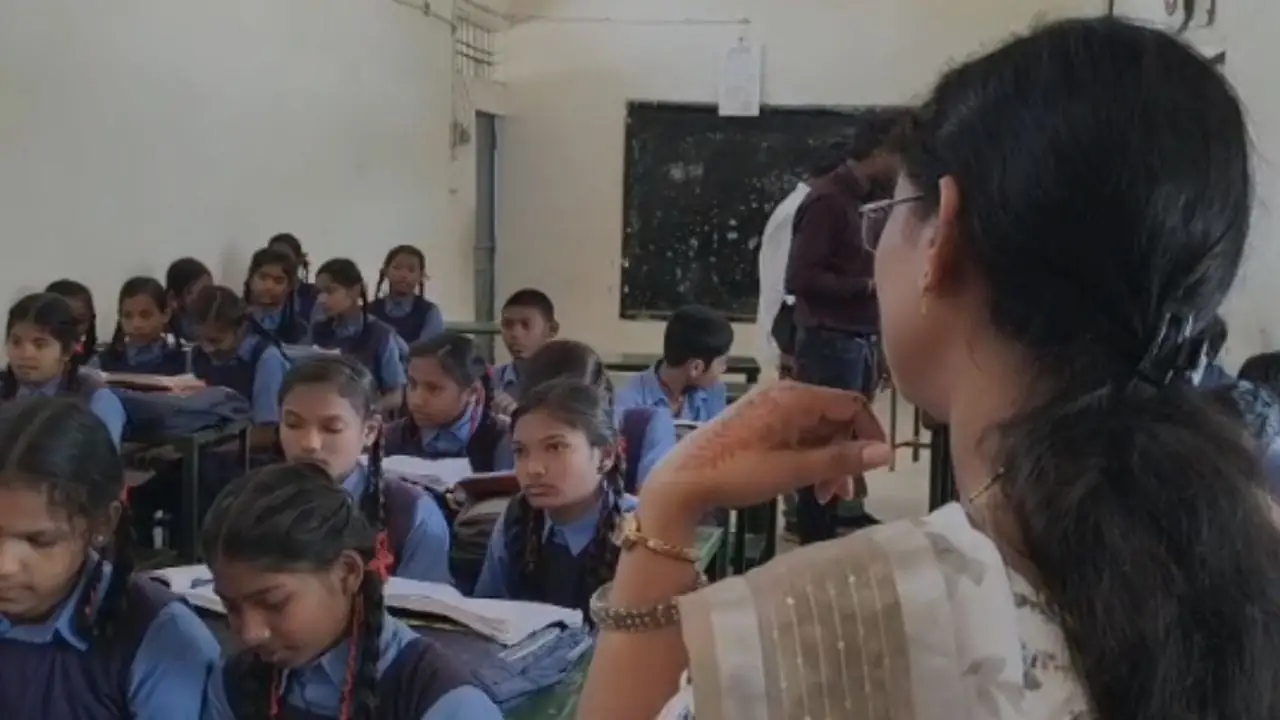
A wave of terror swept through Dahadaha Government School in Chhattisgarh’s Dhamtari when 35 pupils were found to have cut their own wrists en masse. This unprecedented self-harm episode has the state’s education machinery in overdrive, probing for answers and accountability.
District Education Officer has fired off a stern notice to Principal Punnet Ram Sahu, accusing the leadership of oversight failures that enabled the shocking synchronized injuries. Occurring weeks back, the incident involved sharp objects targeting left wrists, baffling investigators.
The revelation cascaded from one distraught parent who spotted the injury on their child’s arm. Pressed for reasons, the kid clammed up, leading to a school confrontation. Interrogations revealed a staggering 35 victims, all marked similarly.
In the ensuing frenzy, the school called in parents for a crisis summit, emphasizing prevention. Reinforcements arrived swiftly: medical experts treated wounds, psychologists conducted sessions, and department sleuths gathered evidence.
Key interventions peaked on February 16 with tailored counseling for students and families, complete with follow-up mandates. Still, the core mystery endures—no clear rationale for the collective desperation.
This dark chapter reverberates across Chhattisgarh, amplifying calls for robust mental health frameworks in schools. With parents terrified and officials promising repercussions for the guilty, the focus sharpens on rebuilding trust. Enhanced vigilance, trained staff, and open dialogues could be the antidote to such hidden crises lurking in classrooms.