
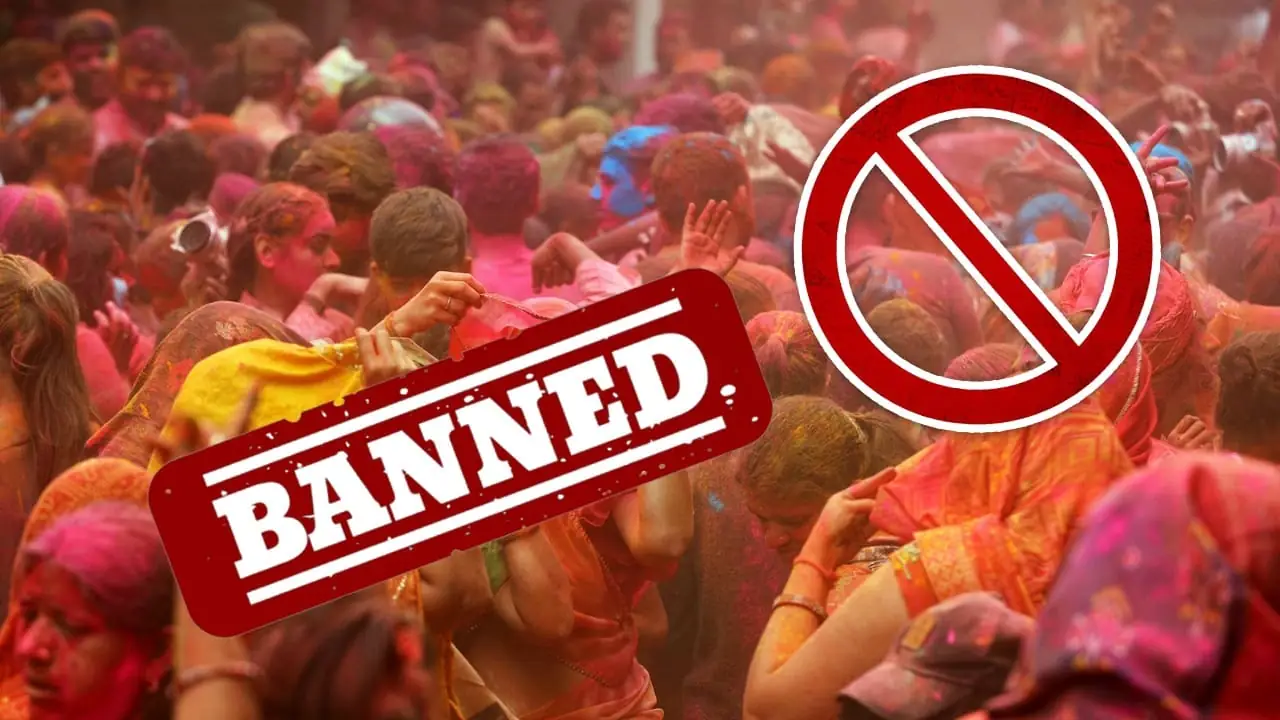
Picture a village where Holi’s riot of colors yields to divine silence. Khajurpadar, tucked away in Chhattisgarh’s Gariband district under Mainpur tehsil, has shunned the festival for more than a century. Home to roughly 2,000 souls, 80 km from administrative hubs, life here on Holi mirrors routine—no flames, no festivities, just devotion.
Central to this are the worshipped entities: Gram Shrimati Devi and Shanpath Devi. Folklore holds that about 100 years past, Holi’s gulal provoked their fury. Plagues ensued—smallpox, dysentery—threatening total devastation. Forebears sought forgiveness via exhaustive rites and abstinence. Mercy granted, they vowed perpetual abstinence from Holi.
Holi morning brings no fanfare. Villagers remain homebound, laboring and worshiping. Shrine visits dominate, with supplications for familial and communal welfare. Food stays plain; colors, taboo.
The young honor it faithfully, and the aura deters meddlers. A few decades ago, interlopers’ color antics sparked renewed woes, resolved through prayer alone. Such events bolster the legacy.
Community pillars speak unitedly. Janpad member Jaisingh Nagesh and sarpanch Kumari Bai Nagesh uphold elders’ accounts. Former sarpanch Yepeshwar Nagesh praises external respect. Residents Dharm Singh and Pooran Pratap prioritize divine harmony: ‘Devi’s no to Holi is our guide.’
In Chhattisgarh’s mosaic of customs, Khajurpadar exemplifies belief’s profound sway. As colors flood India, this haven of piety transforms Holi into a day of reflection, perpetuating age-old vows that define its identity.