

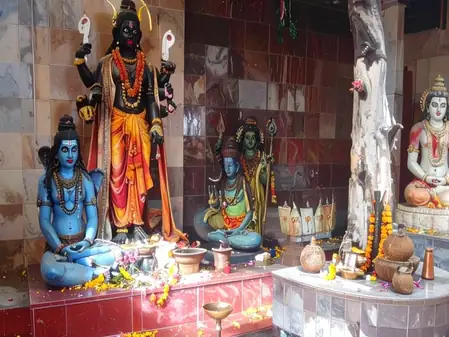
Picture this: plates of hot chow mein and juicy momos laid before the fearsome idol of Maa Kali. In Kolkata’s Tangra—prime China Town territory—this isn’t a food stall but the Chinese Kali Temple, where Chinese Hindus honor their deity with iconic dishes from their homeland. This quirky ritual has turned the site into a beacon of cultural fusion.
West Bengal’s Kali worship typically involves tantric sacrifices, but this temple innovates with vegetarian Chinese fare. Built by the local Hakka community, it’s the sole such structure crafted by Kolkata’s Chinese diaspora. Local pandits lead the ceremonies per Hindu customs, while Chinese devotees add their touch with special thick candles lit during intense Diwali observances.
The tradition of offering noodles and dumplings has solidified over decades, making it the temple’s hallmark. Prepared meticulously without non-veg ingredients, these treats are sanctified before joyful distribution to the congregation.
The story begins in the 1960s when illness struck a Chinese boy. No doctor could help until his parents turned to a neighborhood tree shrine housing black stones worshipped as Kali and Shiva. Their fervent prayers worked wonders—the child healed completely. Inspired, the community transformed the spot into a magnificent temple, preserving the miraculous tree amid its premises.
Now a hub for wish fulfillment, the temple thrives under Chinese stewardship. It beautifully illustrates Kolkata’s multicultural tapestry, where faith meets flavor in an unforgettable way, inviting all to experience this one-of-a-kind devotion.