
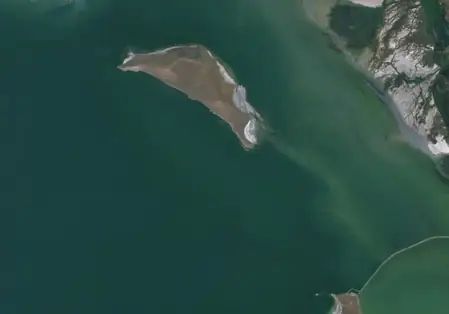
Earth’s surface hits its nadir at the Dead Sea, a hypersaline terminal lake dipping 400 meters below sea level on the Israel-Jordan border. Dubbed ‘dead’ for good reason: its water, laden with salts at 34% concentration—versus the ocean’s 3.5%—repels all aquatic life. Bacteria are the rare exceptions in this otherwise sterile expanse.
Thanks to high density, swimmers experience effortless flotation, a hallmark attraction. NASA’s Landsat imagery chronicles the crisis unfolding. From 1972’s expansive dark blues to 2011’s fragmented, pink-tinged remnants, the photos document relentless retreat. The Lisan Peninsula looms as a central divider, with scant greenery hugging the shores amid dominant barren tones.
Evaporation in scorching summers plummets levels by several centimeters daily, compounding industrial extractions. Vast evaporation ponds for harvesting potash and table salt, booming over 40 years, scar the landscape in satellite views. These minerals now fuel water purification, winter road maintenance, and PVC production worldwide.
Ancient Egyptians kickstarted exploitation, using Dead Sea salts for embalming and agriculture. Fast-forward to 1947-1956: explorers uncovered the Dead Sea Scrolls in nearby caves—972+ documents, the antiquity’s biblical treasure trove, reshaping understandings of scripture’s evolution.
Joint NASA-USGS Landsat efforts deliver open-access satellite data, vital for scientists probing salinization, subsidence, and biodiversity loss. As the Dead Sea dwindles, it signals broader environmental warnings, urging innovative restoration to safeguard this unparalleled natural and historical gem.