
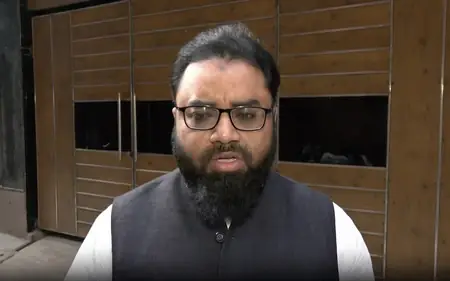
Shoaib Jamei, head of AIMIM’s Delhi chapter, is making waves with his latest advocacy. He’s pressing Chief Minister Rekha Gupta to grant Muslim civil servants early release from duties during Ramadan, citing Delhi’s infamous traffic as the culprit.
In detailed remarks, Jamei emphasized the emotional pull of iftar. ‘Families wait at home; traffic steals those moments,’ he shared. Adjusting shift ends would allow timely returns, blending faith with public service seamlessly.
Echoing this, Jamei rallied against discrimination in education. The Ludhiana University iftar dispute irks him: ‘Kashmiri students aren’t outsiders—they’re everywhere, from southern colleges to Jamia. Religious observance deserves equal footing.’
Weighing in on Bihar’s meat and fish curbs, he cut through noise. ‘It’s about sanitation, folks. And reality check: Vast majority of Hindus include meat in their meals.’
Jamei’s critique extended to Youth Congress’s AI summit disruption. ‘Democracy thrives on dissent, but not international humiliation,’ he asserted. Having attended with his AI research squad, he praised the event’s potential while decrying theatrics. ‘Galgotia University’s misstep was bad; this matches it. Save protests for designated spaces.’
This isn’t Jamei’s first foray into policy pleas. His holistic view—from daily commutes to national discourse—challenges authorities to prioritize empathy. As holy month nears, the ball’s in the government’s court: Will early leave become reality, or remain rhetoric?