
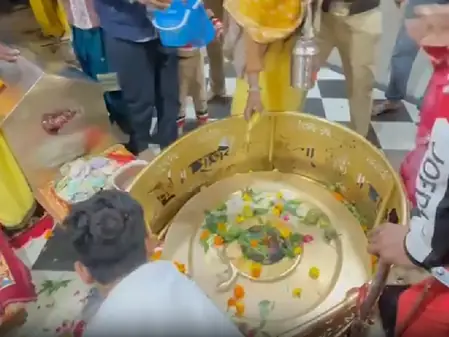
Haridwar pulses with Maha Shivratri celebrations, where spirituality meets celestial fortune. The ‘City of Hari’ witnesses record crowds at prime temples, propelled by an extraordinary planetary yoga: five grahas uniting in Aquarius, a configuration absent for 300 years. This astrological boon heightens expectations of wish fulfillment through devoted worship.
At Dakshwar Mahadev, the epicenter of activity, lines form pre-dawn. ‘Bol Bam’ reverberates as pilgrims offer jalabhishek, their faces lit with anticipation. Authorities have orchestrated comprehensive safety nets—police cordons, traffic diversions, and volunteer squads—to accommodate the deluge without hiccups.
Temple head Mahant Ravindra Puri offers blessings: ‘Greetings to all on this Falgun night’s glory, one of four paramount vigils in the Hindu calendar.’ He unveils the site’s sanctity—Shiva’s marital abode, Sati’s origin. ‘Beyond the divine nuptials, it symbolizes nature’s embrace, Parvati showering grace.’
Echoing this, Dehradun’s Tapkeshwar Mahadev draws interstate pilgrims. Its lore traces to Dronacharya’s tapasya, Shiva’s personal darshan bestowing progeny. Clerics invoke Bharat’s sanctity, sanctified by Rama-Krishna leelas and rishi legacies. Nationwide, the spectacle paints a vivid portrait of collective bhakti, bridging ancient rites with modern seekers.