
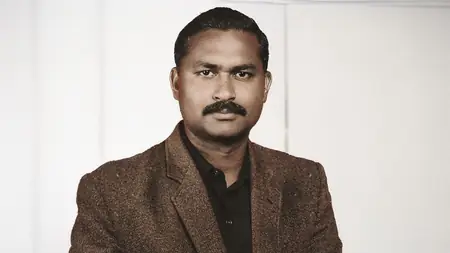
February 10, 1975: The day Hindi poetry lost Dhoomil – real name Sudama Pandey – to a brain tumor at 39. This unassuming son of the soil redefined 1960s verse with defiant tone, vernacular punch, and unflinching gaze at injustice, etching his name in literary history.
In poetry’s shifting sands post-New Poetry, Dhoomil arrived as the authentic voice of toil – a peasant-poet wielding language like a hammer against regime and rot. His work targeted politics and class divides directly. He wisely noted words rally comrades, arms strike adversaries.
Deep-seated was his fury, channeling an entire epoch’s quest to shatter exploitation chains. More cerebral than peers’ hungry roars, it crystallized in verse questioning bread’s manipulators: producer, consumer, and the idle gamer. ‘Identify this third,’ he probes. ‘Legislature offers no reply.’
Pandey’s journey began November 9, 1936, in rural Varanasi, family sustained by crops and petty trade. Wed young, orphaned early, he toiled in Bengal factories, clerked, qualified as electrical trainer. Hardship honed his worldview.
Naxalbari’s echoes and class unrest birthed his turbulent style; modest schooling lent raw immediacy over abstraction. Mastery shone in demotic diction – fluid, dialogic, imagery-rich. Cadenced generalizations evoked theater, dismantling independence-era myths and power’s moral shields.
‘Parliament to Street’ (1972) was his living publication. Posthumous gems ‘Hear Me Tomorrow’ (1977, Akademi Award 1979) and ‘Sudama Pandey’s Democracy’ (1984) followed. Essays, tales, theater, translations, intimates’ records illuminate the man.
Dhoomil bridged intellect and grit, forging poetry as societal scalpel. When bread games persist and assemblies mute, his interrogations compel action, proving his relevance unbound by time.