
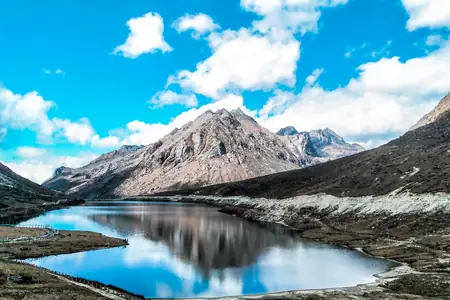
Echoes of insurgency in misty hills gave way to democratic dawn in 1987, as Mizoram and Arunachal Pradesh attained statehood. These events, often overshadowed by Himachal’s story, reveal the Northeast’s path to integration.
Mizoram’s turmoil ignited with the 1966 famine, fueling MNF’s separatist revolt under Laldenga. Gunfire scarred the landscape for decades, yet persistent negotiations bore fruit. The 1986 peace pact disarmed rebels, leading to Mizoram’s elevation as the 23rd state on February 20, 1987.
Former insurgent Laldenga’s role as first CM symbolized redemption. It’s a testament to how dialogue can dismantle division.
Parallelly, Arunachal Pradesh emerged from NEFA’s shadow. This frontier sentinel, rich in biodiversity and geopolitics, became India’s 24th state. Statehood assured its tribal communities—from Monpa in Tawang to Adi along rivers—that their homeland was securely Indian.
Himachal Pradesh’s arc mirrors perseverance. Merged princely states in 1948, it battled central skepticism. Dr. Yashwant Singh Parmar’s leadership against Punjab integration led to statehood in 1971, fostering unique hill development.
India’s tapestry of states proves that unity isn’t uniformity. Mizoram’s peace, Arunachal’s vigilance, and Himachal’s bloom illustrate federalism’s power to harmonize diversity into enduring nationhood.