
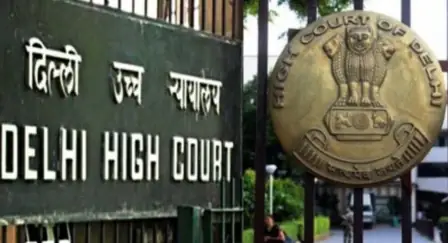
The Delhi High Court delivered a clear message to UPSC aspirants on Thursday: trust the experts. Dismissing writ petitions against the Civil Services Prelims 2023 CSAT paper, Justices Amit Mahajan and Anil Khatriwal endorsed the exam body’s authority while limiting courts’ role in scholastic disputes.
Unsuccessful candidates approached the court after CAT rebuffed their grievances. They spotlighted roughly 11 questions exceeding the Class 10 benchmark outlined in UPSC’s rules, pulling from advanced Class 11-12 curricula. Such inclusions, they argued, eroded equity and vitiated results.
The bench begged to differ, invoking precedents on judicial restraint. ‘In aptitude tests like CSAT, we defer to subject specialists absent arbitrariness,’ Justice Mahajan remarked. UPSC’s expert committee report proved decisive, certifying syllabus compliance and appropriate difficulty.
‘Objections lacked merit; no re-grading or payouts warranted,’ the court held, cautioning against its inability to second-guess pedagogical choices. Disagreement alone doesn’t trigger relief.
Compounding issues, petitioners omitted crucial stakeholders—meritorious selectees now in service. Altering outcomes mid-stream would breach their hearing rights, the judges noted.
Against the backdrop of a fully executed CSE 2023—prelims in May, mains in September, interviews wrapping up—the court deemed interference futile and disruptive. ‘Public exams demand closure, not endless litigation,’ it asserted, closing the case.
Aspirants eyeing CSE 2024 take note: UPSC’s multi-tier objection process, backed by independents, shields against baseless claims. This verdict fortifies that bulwark.