
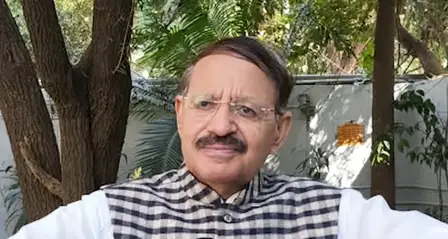
New Delhi erupted in political rhetoric as Congress leader Rashid Alvi vehemently opposed the upcoming India-Pakistan World Cup match. On February 15, speaking to IANS, Alvi invoked a visceral metaphor: “Cricket is for comrades. Enemies get Holi—of blood.”
His words stem from Pakistan’s alleged role in terror incidents, including the fresh Pahalgam killings of 28-29 civilians. “They never cease their terrorist agenda. How do we compete sportingly with murderers?” Alvi questioned.
He stressed institutional accountability: “BCCI bows to the government’s will. No match without their consent—this is squarely on New Delhi’s shoulders.”
Yet, conceding the game’s likelihood, Alvi rallied behind India: “Sunday’s bout? India crushes Pakistan decisively, continuing our flawless streak.”
The discourse broadened with inputs from peers. Congress’s TS Singhdeo highlighted strategic imperatives: “This T20 clash debate boils down to relations with Pakistan. Amid terror at borders, can we pretend for neighborly peace? Our frontier can’t be overlooked.”
Maharashtra SP head Abu Azmi lambasted the duality: “Pakistan unleashes terror here, and we play friends on the field? Such contradictions must end.”
As fans gear up for the Sunday thriller, these leaders’ interventions underscore enduring Indo-Pak hostilities. The blend of sport and strife leaves the match’s fate hanging, prompting reflection on cricket’s role in diplomacy.