
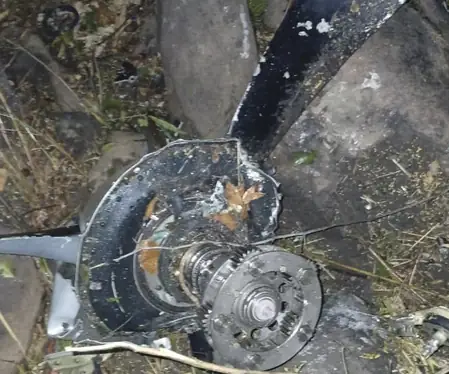
Disaster struck Jharkhand’s skies when a vital air ambulance en route from Ranchi to Delhi met a fiery end in Chatra district’s unforgiving wilderness. Operated by Redbird Airways on a medical charter, the Beechcraft C90 (VT-EJV) vanished from radar screens, sparking one of the state’s largest rescue mobilizations.
Timeline pieced from DGCA logs: takeoff at 7:11 PM, last communication at 7:34 PM post-Kolkata handoff, crash inferred near Simaria’s Karamatand jungle. Seven individuals—patient, physician, paramedic, attendants, and dual pilots—remain unaccounted for as teams comb the debris-strewn site.
Prompted by villagers’ reports of explosion and smoke, authorities launched operations despite dense canopy and rugged access. AAIB investigators are en route, while EDCAP oversees data aggregation for a comprehensive inquiry into potential triggers like turbulence, engine issues, or navigation glitches.
This tragedy unfolds against India’s expanding air medical network, where such flights bridge healthcare gaps in remote regions. Yet, it exposes vulnerabilities: poor weather, outdated fleets, and terrain challenges. Civil aviation ministry officials vow transparency, with preliminary findings expected post-site recovery.
As floodlights pierce the night and drones aid scouting, the human cost weighs heavy. Families await news, aviation experts dissect flight paths, and policymakers ponder reforms. The crash site, a somber testament to fleeting fragility aloft, demands answers to prevent future falls.