
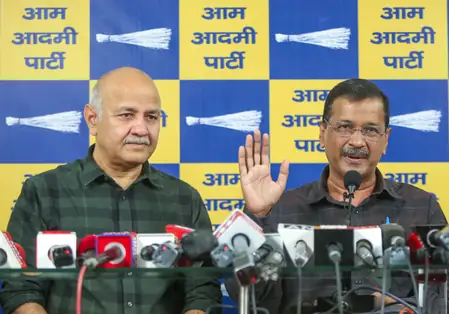
Monday’s Delhi High Court session turned the spotlight back on the Delhi excise policy imbroglio, with CBI vigorously contesting the February 27 acquittal of Arvind Kejriwal, Manish Sisodia, and 21 others. Solicitor General Tushar Mehta’s submissions framed it as brazen corruption, backed by exhaustive investigations.
Mehta dissected the scam’s anatomy: multi-phase hawala bribes, Section 164 statements from pivotal witnesses detailing plot hatching and payoffs. Digital footprints—emails, WhatsApp exchanges—cemented the narrative, far from ‘imaginary,’ he stressed.
He took umbrage at the trial court’s alacrity post-prosecution’s fortnight-long advocacy. ‘Rapid disposal shouldn’t equate to miscarriage,’ Mehta urged. Conspiracies thrive in shadows; proving them mandates linking covert elements, a nuance the discharge overlooked.
Critical evidence dismissal included witness accounts, hotel logs for trial scrutiny—not pre-trial rejection. CBI flagged evidence tampering: 170 phones wiped, vital documents disregarded, mobile notations untouched, and approver statements sidelined despite legal weight at charge stage.
Kejriwal and Sisodia, jailed for months, celebrated release as vindication against BJP’s ‘agency misuse’ for power grabs, per AAP and allies. Yet, CBI’s appeal reignites debate: Does ironclad proof warrant charges? The high court’s ruling could redefine accountability in public policy scandals.