
A celestial event—a lunar eclipse on March 3—has shifted Delhi’s Holika Dahan schedule, clearing up widespread uncertainty. While some regions burned Holika on March 2, the capital awaits the post-eclipse window.
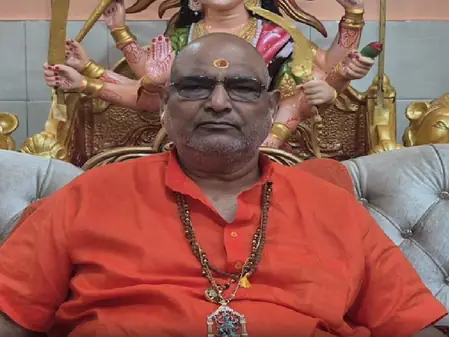
Speaking to media, Kalkaji Temple’s head priest elaborated: ‘The Purnima tithi ignites on March 2 dusk, but Bhadra and tomorrow’s eclipse demand caution.’ The eclipse’s sutak ends at 7 PM, making it the ideal time for the sacred burning.
Drawing from mythology, Holika Dahan honors Prahlad’s divine protection against his aunt’s fiery plot. It’s more than a bonfire; it’s a purge of life’s toxins—diseases, doshas, and despair—replaced by positivity.
Across Delhi, from posh colonies to bustling markets, pyres stand ready. Devotees are advised to offer black sesame for moral cleansing and coconut for familial bliss during the pooja.
This strategic delay upholds Vedic sanctity, distinguishing Delhi’s observance. As Holi’s colorful revelry follows, the evening blaze on March 3 will illuminate paths to prosperity, uniting families in joyous anticipation.