
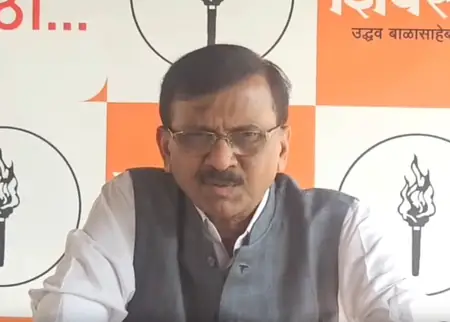
Tensions flared in Maharashtra’s political landscape on the eve of the budget session as Sanjay Raut, the vocal Shiv Sena (UBT) parliamentarian, launched a blistering critique of the Mahayuti regime. At the heart of his ire: the glaring absence of Leaders of Opposition in the state’s legislative councils.
During a pointed media briefing Monday, Raut minced no words. ‘Running the houses without an opposition leader is nothing short of constitutional sabotage,’ he thundered, directly implicating CM Devendra Fadnavis and BJP strategists.
Raut meticulously outlined the opposition leader’s pivotal functions—vigilant oversight, policy scrutiny, and balanced discourse. Without it, he warned, the government risks descending into absolutism, shattering the delicate power equilibrium enshrined in India’s democratic framework.
This isn’t a new grievance, Raut stressed. For sessions on end, the opposition has pressed for appointments, only to face bureaucratic hurdles. ‘It’s a calculated ploy to silence dissent,’ he alleged, spotlighting the anomaly of both houses lacking this post during budget deliberations.
Looking ahead, Raut signaled a multi-pronged offensive: judicial interventions, public mobilization, and relentless house disruptions. He posed a provocative query to the treasury benches: ‘Your majority is unchallenged— so what’s the hesitation in legitimizing the opposition?’
As stakeholders watch closely, this impasse threatens to overshadow key budgetary discussions on development and welfare. Raut’s intervention revives debates on democratic health, reminding all that true governance thrives on robust contention, not one-sided dominance.