
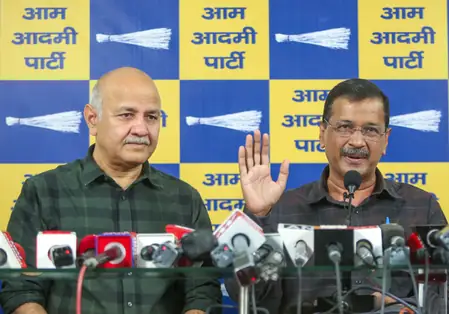
The Delhi High Court gears up for a pivotal March 9 session on CBI’s appeal against the clean chit given to AAP supremo Arvind Kejriwal, ex-Deputy CM Manish Sisodia, and 21 others by a trial court in the 2022 Excise Policy controversy.
Filed as a criminal revision, the plea assails the Rouse Avenue judge’s exhaustive order—clocking 1,100 paragraphs—that found CBI’s evidence ‘wholly deficient’ upon rigorous examination of records and nearly 300 witness accounts. No material emerged to cast reasonable doubt on the accused, averting what the court called an unjust trial ordeal.
Rooted in the AAP’s 2021-22 liquor policy overhaul, later canned over corruption charges, CBI accused it of cartelizing favors for private vendors in quid pro quo for election funds, implicating the ‘South Group’ and causing treasury losses via flawed licensing.
The lower bench repudiated these claims, validating the policy’s genesis in compliant deliberations. Kejriwal celebrated it as triumph over ‘fabricated lies,’ invoking judicial trust, as supporters rallied around Sisodia.
BJP leader Manoj Tiwari poured cold water, asserting High Court intervention looms to flip the script. In a media briefing, he grilled the policy’s retraction and pointed to purported destruction of communication devices as red flags.
This case, emblematic of polarized politics, tests institutional balances. A CBI success might resurrect prosecutions, denting AAP’s image; upholding the acquittal could affirm governance integrity. As March 9 nears, Delhi’s power corridors hold their breath for Justice Swarn Kanta Sharma’s ruling.