
Health experts sounded the alarm as Mizoram clinches the unwelcome top spot for cancer cases and fatalities across India. In Aizawl, the rate hits 269.4 per 100,000 men on an age-adjusted basis, as shared by officials on Sunday—a statistic that demands national attention.
The Health and Family Welfare Department pins the surge in gastric and pulmonary cancers on tobacco chewing, betel nut habits, dietary deficiencies, and genetic vulnerabilities. Mizoram’s unique cultural practices have inadvertently amplified these risks, creating a perfect storm for oncological woes.
In a proactive move, the state inked a deal with the Asian Development Bank on January 23 under the Mizoram Universal Health Care Scheme to overhaul healthcare delivery. The World Bank-backed Health Systems project, advancing steadily, eyes a March 2026 finish line.
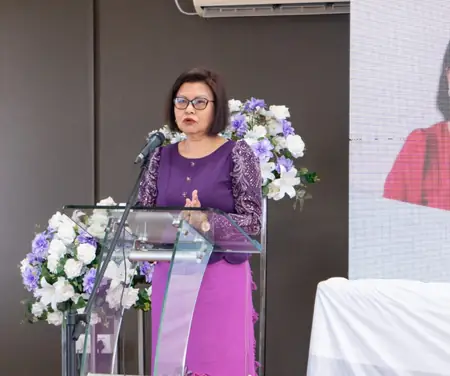
Spotlight falls on the upcoming Mizoram State Super Speciality Cancer and Research Centre in Aizawl, a beacon of hope. During Saturday’s program, Minister Lalrinpuii lamented the state’s cancer overload per capita, aligning with Tata Memorial’s observations of Mizoram-heavy patient loads.
Tobacco excess, smoked meats, pork fats, oily foods, and modern lifestyle pitfalls top the risk list, she noted. Breast cancer reigns supreme among Indian women, with cervical following closely—all but entirely HPV-induced. Free jabs for 14-year-olds stand out as game-changers, she implored.
Chief Secretary Meena highlighted India’s one-in-five share of global cervical cases, underscoring free vaccines for girls and mothers as essential, particularly in high-burden, low-screen Mizoram. PM Modi’s nationwide HPV campaign kickoff in Ajmer synchronizes perfectly with local pushes.
Optimism abounds that such strategies will preserve lives, uplift families, and propel Mizoram’s growth engine.