
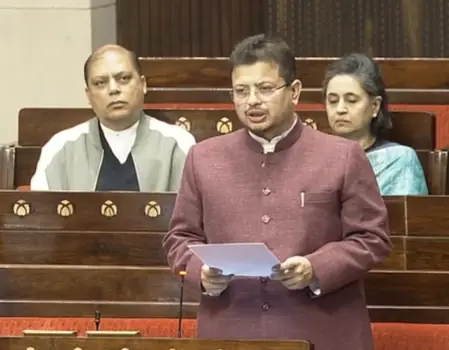
A stirring parliamentary intervention by Trinamool MP Ritabrata Banerjee has brought renewed focus to 12 Bengal revolutionaries who embodied absolute resolve in India’s freedom struggle. Exiled to Andaman’s Cellular Jail post-Alipore Conspiracy Case, these men rejected any notion of submission.
Leading lights Barindra Ghosh, Ullaskar Dutt, and Hemchandra Kanungo spearheaded audacious resistance. Ghosh’s Jugantar and Anushilan networks produced bombs and mobilized secret cells. Dutt perfected the explosives, Kanungo sourced arms tech abroad.
British courts handed down life sentences and banishment for their roles in high-stakes plots like the Muzaffarpur magistrate assassination attempt. In Kala Pani, they braved torturous solitude, crushing labor, and despair—yet filed no pleas for royal pardon.
Banerjee passionately argued these ‘no-compromise’ warriors deserve elevation over those who capitulated. Their endurance in the ‘Black Waters’ jail symbolizes pure patriotism.
As debates swirl on regional contributions to independence, Banerjee spotlighted the 46 Bengalis in early inmate batches. He implored the nation: Recognize their iron will, immortalize their saga, and teach future generations about true, unyielding sacrifice.