
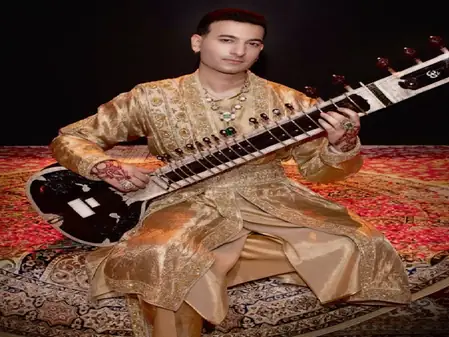
Fresh off Anoushka Shankar’s public takedown, young sitarist Rishabh Rikhiram Sharma’s bold proclamation has been officially dismantled by the Pandit Ravi Shankar Music Institute. In a meticulously worded release, the body affiliated with the sitar icon refutes any notion of Sharma holding the revered position of Panditji’s concluding shishya.
Key facts emerge: While Panditji shared musical insights with Sharma, these were informal exchanges, far from the ceremonial commitments defining true discipleship. Absent were the traditional elements—priestly blessings, hours-long discourses, or repeated affirmations of mentorship.
Flashback to February 10, 2012: Wheelchair-bound but spirited, Panditji graced Sharma’s recital, introducing him casually to the crowd. ‘This new young talent has just started learning from me,’ he said—a one-off remark never echoed again. The institute points to Parimal Sadaphal as Sharma’s core guide, solidifying the separation.
Hierarchy clarified: Childhood proteges Shubhendra Rao and Anoushka Shankar lead, trailed by terminal shishyas Nishad Gadgil and Dr. Scott Eiseman. Sharma’s narrative crumbles under scrutiny, a cautionary tale for aspiring artists invoking legends.
With viral appeal from his modern-classical rendition of ‘Shiv Kailashon Ke Vaasi,’ Sharma embodies fusion’s promise. But this dispute spotlights the sanctity of classical pedigrees, reminding all that true lineage demands more than proximity. As debates echo in Mumbai’s cultural hubs, Sharma’s path ahead tests resilience amid tradition’s unyielding gaze.