
The demand for conferring Bharat Ratna on Veer Savarkar, voiced by RSS chief Mohan Bhagwat, has triggered a blistering backlash from opposition heavyweights, turning it into a high-octane political battleground.
CPI(M)’s John Britas minced no words, calling the prospective award a ‘misfortune for Indian history.’ He lambasted Savarkar for prioritizing abject apologies to the British over frontline participation in the freedom struggle. ‘Known as the father of hate-driven politics and polarization, Savarkar doesn’t deserve this sanctity,’ Britas contended, urging a reevaluation of heroes based on authentic contributions.
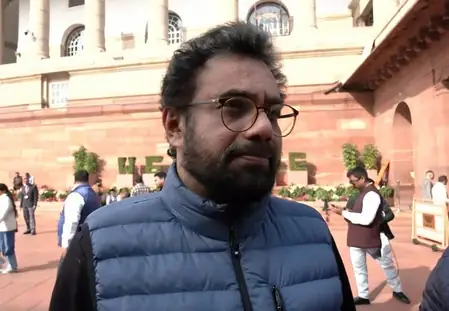
Joining the fray, SP MP Rajiv Rai decried the precedent it would set. ‘Honoring those who begged oppressors sets a dangerous example—who’s next?’ he asked. Rai envisioned a future where schoolbooks glorified submission, a prospect he deemed unacceptable to patriotic Indians.
Amid the Savarkar uproar, Rai pivoted to critique AIMIM’s Asaduddin Owaisi, transforming the MP’s bold UP entry declaration into a punchline: ‘Better to plead for protection from Yogi ji than boast arrival.’
He similarly undercut AIMIM UP chief’s provocative vision of a burqa-wearing CM, advising electoral basics: ‘Secure a seat in the assembly before eyeing the throne.’
Savarkar’s polarizing profile—jailed in Cellular Jail, later acquitted in Gandhi assassination trial, and Hindutva proponent—fuels endless contention. Pro-award advocates emphasize his intellectual legacy; detractors focus on mercy pleas and RSS affiliations. As rhetoric escalates, this could reshape discourse on national awards, blending history with contemporary power plays.