
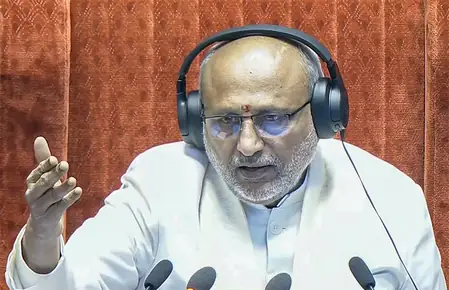
In a vivid display of political theater, the Rajya Sabha witnessed unprecedented turmoil on Thursday, triggered by opposition outrage over events in the Lok Sabha. MPs from the opposition bloc raised a red flag against the muzzling of their Lok Sabha leader, who was allegedly denied the floor to discuss pressing national concerns. The treasury benches rebuffed the incursion, upholding the constitutional separation of the two houses.
Opposition chief Mallikarjun Kharge framed the incident as a grave threat to bicameralism. ‘Our democracy thrives on both houses functioning in tandem,’ he proclaimed, citing Article provisions that enshrine parity. He portrayed the snub as a broader gag on collective opposition expression amid turbulent times.
Responding with vigor, Kiren Rijiju accused the opposition of orchestrating disruptions to PM Modi’s speech. ‘This sudden uproar reeks of strategy,’ he said, dismantling claims of linked house proceedings. Rijiju invited proof of any rule tying Lok Sabha’s fate to Rajya Sabha, reaffirming procedural autonomy while noting the Opposition Leader’s prior opportunities to speak.
Adding heft, Nirmala Sitharaman critiqued the opposition’s choice of words, particularly ‘lynching,’ as unbecoming of the House. She pivoted to historical precedents under Congress in Rajasthan, urging balanced discourse. The verbal sparring escalated into chaos, culminating in an opposition walkout.
Protesters hailed Parliament as democracy’s pinnacle, vowing to fight suppression of voice. The government invoked tradition and precedent to repel the assault. As echoes of sloganeering fade, this confrontation reveals entrenched rivalries, potentially foreshadowing a stalled winter session and testing the resilience of India’s parliamentary traditions.