
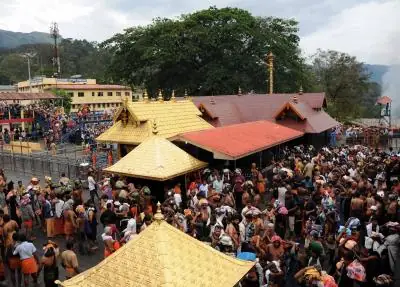
Kerala’s political landscape is heating up over Sabarimala ahead of the Supreme Court’s review of its women entry ruling. The Pinarayi Vijayan-led government has gone on high alert, vowing not to finalize its position without exhaustive review. This cautious approach follows intense lobbying from powerful community groups seeking to restore the temple’s traditional barriers.
Minister P. Rajeev highlighted the issue’s depth, rejecting oversimplification. The state’s earlier endorsement mirrored the 2018 judgment, threading faith with societal evolution. Now, a Constitution Bench headed by CJI Suryakant will hear review pleas starting April 7, enforcing strict timelines for submissions and hearings.
The Nair Service Society has led the charge, with secretary G. Sukumaran Nair pressing for opposition to all-age entry and upholding customs over politics. He also sought withdrawal of cases tied to devotional protests. SNDP Yogam’s Vellappally Natesan reinforced this, calling for tradition-centric changes and broad consultations.
The 2018 verdict, by a 4-1 majority, declared the entry ban discriminatory, igniting protests that polarized the state. As the Travancore Devaswom Board navigates the fallout, the government’s stance could sway public sentiment.
This juncture revives debates on religion, gender, and rights in India’s secular framework. With millions devoted to Ayyappa, the decision promises ripple effects on pilgrimage practices and inter-community ties, testing Kerala’s progressive credentials.