
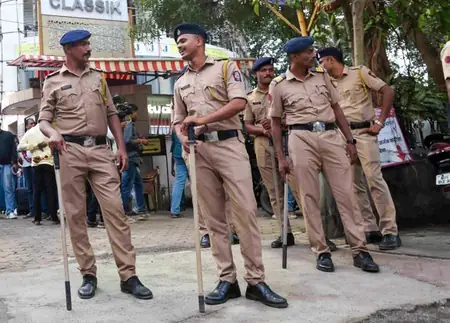
The shadow of Middle East conflict has fallen over Mumbai, where protests against the US-Israel assault on Iran are unfolding citywide. Security has been ramped up at embassies, and Mumbai Police are in full high-alert mode, briefing officers on potential threats from inflammatory gatherings.
At the heart of the unrest is the purported elimination of Supreme Leader Ayatollah Ali Khamenei, prompting Iran’s 40-day mourning declaration. Police have flagged risks of demonstrations morphing into riots or firebombings, urging heightened preparedness.
Voices from India’s Muslim community are resounding. Maulana Kalbe Jawad, a respected Shia scholar, likened current accusations of Iran’s nuclear ambitions to the fabricated WMD claims that razed Iraq. He warned of history repeating itself through misinformation.
Samajwadi Party’s Abu Azmi joined the chorus, terming the strike on the octogenarian leader a heinous act warranting universal condemnation. In Mumbai media briefings, he probed PM Modi’s Israel trip’s role in the conflict’s prelude, demanding India’s active mediation. The lawmaker highlighted economic perils for India if the Iran skirmish prolongs.
Mumbai’s streets pulse with tension, but police aim to contain sparks before they ignite. As global powers clash, these protests signal how distant wars stir domestic passions, calling for measured responses to avert local disorder.