
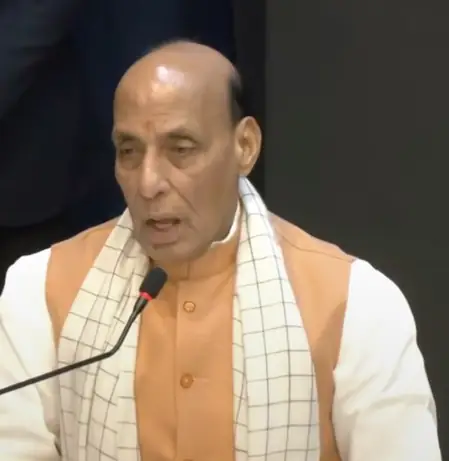
Defence Minister Rajnath Singh addressed the MILAN-2026 naval drill in Visakhapatnam on Thursday, stressing that modern maritime threats demand unprecedented international teamwork. Piracy, maritime terror attacks, unauthorized fishing, smuggling operations, cybersecurity gaps, and blockages in essential supply lines are undermining global sea security. Compounding these are intensified natural disasters from climate shifts, necessitating robust humanitarian and relief efforts worldwide.
Singh was unequivocal: even the most powerful navy cannot go it alone against such complexities. Inter-navy collaboration is now non-negotiable. With 74 nations onboard, MILAN-2026 stands as a testament to India’s stature as a dependable partner, urging the world to confront challenges through respectful partnership.
The exercise exemplifies unity: warships navigating in tandem, personnel training jointly, leaders brainstorming together – all cultivating a borderless maritime consensus. MILAN aggregates skills, bolsters confidence, sharpens collaborative skills, and streamlines responses to crises. From modest regional beginnings, it has ascended to elite status among multinational drills, embodying India’s steadfast maritime commitment.
Through sea exercises, expert forums, and cultural interactions, it nurtures unbreakable alliances. India seeks an equitable ocean governance model aligned with global laws, prioritizing navigation freedoms. Bolstering this via a worldwide naval framework ensures route safety, crime suppression including terror, and border defense. India’s progressive vision emphasizes mutual prosperity, positioning it as a constructive global player.