
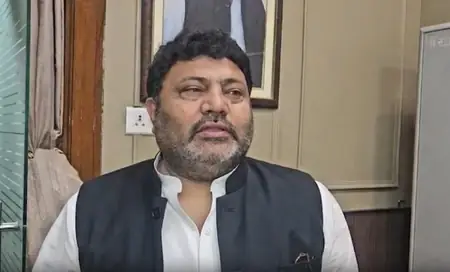
Uttar Pradesh assembly turned contentious as the Yogi government’s refusal to allow loudspeakers on mosques during Ramadan drew fierce opposition fire. SP chief whip Kamal Akhtar labeled it religious discrimination, igniting a fresh political storm.
The Thursday proposal sought exceptions for dawn Sehri calls and evening Iftar signals. Parliamentary Affairs Minister Suresh Khanna cited apex court bans on nighttime noise, rooted in historical contexts without modern timepieces, and rejected it.
Akhtar’s response was unequivocal. ‘India celebrates all faiths vibrantly,’ he told reporters. ‘Kanwar Yatra sees highways revamped, Holi gets full administrative support. Ramadan, Islam’s pinnacle of devotion through fasting and worship, deserves no less.’
He decried the blanket removal of loudspeakers from religious venues, using court orders as a shield. ‘These announcements aren’t luxuries; they’re lifelines for the faithful. Denying them proves the government’s unity mantra is mere rhetoric.’
Referencing Ramleela allowances, Akhtar pressed for parity. The snub, he said, betrays minority trust. With Ramadan on the horizon, the impasse spotlights clashes between tradition, judicial mandates, and governance equity.
Critics argue the policy disproportionately impacts Muslims, while supporters stress uniform law application. As debates rage, Uttar Pradesh braces for heightened sensitivities in its diverse social fabric.