
Few literary works evoke the essence of India’s villages like Phanishwar Nath Renu’s ‘Mare Gaye Gulfam.’ Adapted into the critically acclaimed ‘Teesri Kasam,’ starring the evergreen Raj Kapoor, this story transcends a simple love tale to illuminate the poetry of everyday rural existence.
At its core is Hiraman, a simple ox-cart driver whose life of honest labor intersects with Heerabai, a nautanki dancer touring remote hamlets. Their road-trip romance, marked by innocent flirtations and deep revelations, critiques social stigmas while honoring personal honor. The title ‘Teesri Kasam’ captures Hiraman’s final oath to cling to principles amid shattered illusions.
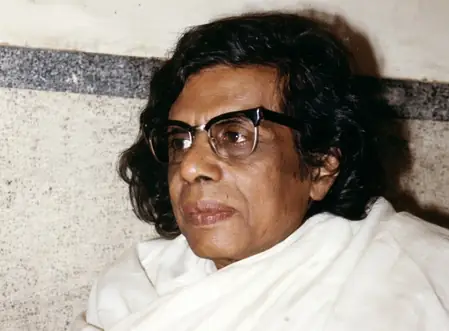
Renu’s storytelling prowess shines in his vivid vignettes: the aroma of village fairs, the wisdom exchanged at crossroads, the resilience against life’s inequities. He crafted narratives from his birthplace in Bihar’s Andheri Hingna, born March 4, 1921, where interconnected village lives fueled his imagination.
His prose, devoid of pretension, employs colloquial speech that feels like eavesdropping on real conversations. This linguistic authenticity draws readers into a world of small joys and profound struggles, regardless of their background.
Renu’s biography rivals his fiction’s drama—from anti-colonial activism and imprisonment to Nepal’s uprisings, before dedicating to writing. These experiences lent depth to his exploration of human emotions and societal barriers. Awarded Padma Shri, with a postage stamp in his name, Renu’s influence persists, urging us to cherish the uncelebrated narratives of the hinterlands.