
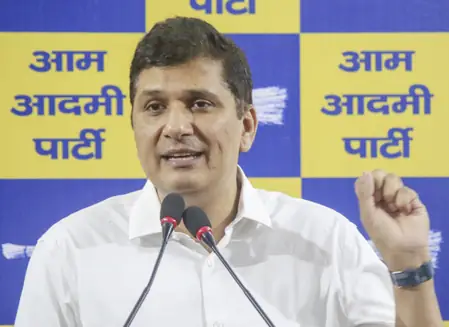
Political fireworks erupted in West Delhi’s Janakpuri on February 8 as AAP president Saurabh Bharadwaj was placed under preventive detention while visiting the family of Kamal Dhiani, killed in a horrific pothole-related bike crash three days earlier. Bharadwaj’s intent was straightforward: offer solidarity and lead a candlelight vigil. Instead, a swarm of police from six stations swooped in, detaining the prominent leader.
From the moment of detention, Bharadwaj turned the spotlight on systemic failures. Addressing the media, he roared, “This oppression is unprecedented. The family begged at six thanas all night—no FIR. Today, for a peaceful tribute, they’ve mobilized the entire force, even using Kamal’s photo as propaganda.”
Delving deeper, Bharadwaj decried a city adrift in chaos. “Law and order? Non-existent, from shanties to skyscrapers. It’s thuggery run amok—crush the questioners, ignore the fixes.” He positioned AAP as the relentless advocate for change, undaunted by such tactics.
The backdrop is grim: Dhiani’s bike somersaulted into a pothole on February 5, a stark reminder of Delhi’s crumbling infrastructure amid political crossfire. The family’s unheeded pleas underscore allegations of police bias, fueling AAP’s narrative of BJP-orchestrated neglect.
Bharadwaj concluded with a rallying cry: “Delhiites are witnessing this BJP-era misery. No one listens to their pain; everyone’s self-absorbed. Our fight continues.” This episode risks escalating into a larger movement, intertwining road safety with accusations of authoritarianism. With public anger simmering, demands for probes, repairs, and FIRs grow louder, challenging authorities to act before more lives are lost.