
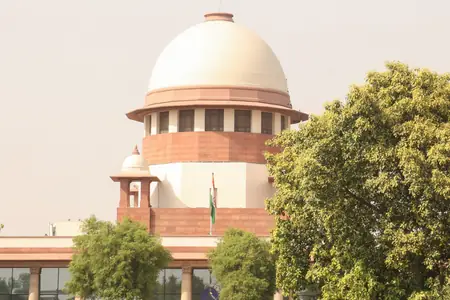
The Supreme Court has refused to step into the fray of the Thiruparankundram hill dispute, affirming the Madras High Court’s order as fair and measured. This comes in a case where Muslim namaz in Madurai’s Nallithoppu area is now allowed only on Ramadan and Eid al-Adha.
Tensions have simmered for years over practices at the hill’s dargah, including sacrifices that Hindu groups claim defile the revered site. The High Court responded by restricting prayers to key festivals and prohibiting animal killings, prompting an appeal from Muslim petitioner M. Imam Hussain.
Senior counsel Prashant Bhushan pressed the apex court, noting prior rulings by lower courts and the Privy Council validating community land rights over 33 cents. Such curbs, he argued, unjustly hobble daily worship.
Undeterred, the Supreme Court bench reviewed arguments and concluded the High Court struck an appropriate balance for all parties involved. The refusal to interfere leaves the order operational, maintaining festival-only access.
Earlier actions set the stage: On January 2, interim bans were placed on sacrifices, meat serving, and transport during dargah events, following a Hindu petitioner’s outcry over sanctity breaches.
This outcome highlights India’s courts navigating delicate religious equilibria. By upholding restrictions, the judiciary prioritizes peace over expansive claims, potentially averting broader conflicts. Communities on both sides express mixed reactions, with the hill remaining a litmus test for communal harmony.