
Vivid orange Palash blossoms are painting Gujarat’s Narmada forests, signaling summer’s arrival and igniting tourist interest. Dubbed Khakhra by locals, these trees offer a stark contrast to the wilting foliage, turning the area into a must-visit hotspot and breathing new life into local economies.
Encircling the Statue of Unity, the floral carpets amplify the site’s allure during peak heat. Tourists arrive in droves, cameras ready to capture the transient wonder that briefly halts summer’s advance.
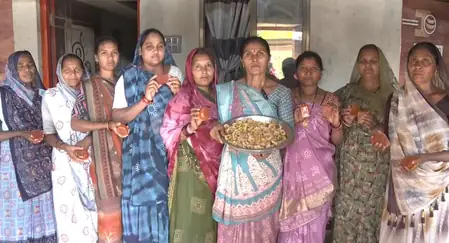
Villages nearby buzz with enterprise. Women at Ekta Nursery in Ekta Nagar peddle Palash-infused herbal soaps and crafts from pop-up stalls. The seasonal surge in demand yields 40,000 to 50,000 rupees monthly, transforming hobbies into hustles.
Neeru Tadvi, spearheading Kevadia’s Radhe Krishna Mission Mangalam Group since 2022, attributes success to collective effort. ‘We ditched grueling fieldwork for this shop, funded by a 70,000-rupee loan and official backing,’ she explained. Steady income now keeps them rooted at home.
Equipped with professional soap-making workshops, they’ve innovated with local flavors like aloe, lemon, and roses. Visitors to the Statue of Unity fuel sales, netting individuals 10,000-15,000 rupees a month for bills and savings alike.
Kothi villager Sumitra Tadvi highlights the upgrade: ‘Kesuda soaps beat wage work hands down.’ Beyond aesthetics, Palash’s bloom has woven a tapestry of empowerment, blending tourism with tangible upliftment for Narmada’s women.